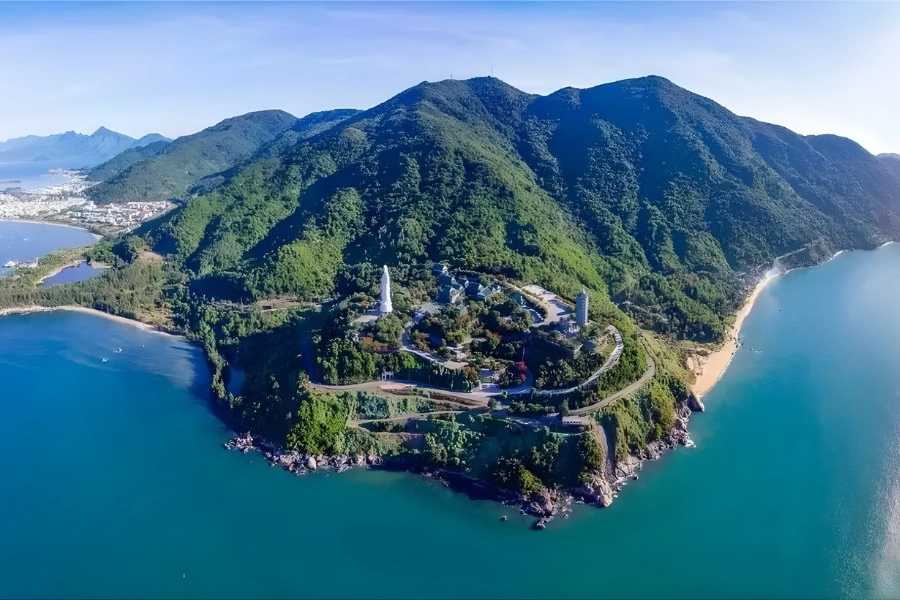
Discover the Son Tra Peninsula, Central Vietnam’s “Emerald Crown,” with My Danang Tours. Experience sustainable luxury and regenerative travel in this living sanctuary, where you can witness rare biodiversity and find a state of serenity. Explore the wild beauty of this sacred mountain through our curated, eco-friendly journeys in 2026.
The Sacred Heart of Son Tra Peninsula: Red-shanked Douc Langur Conservation in 2026
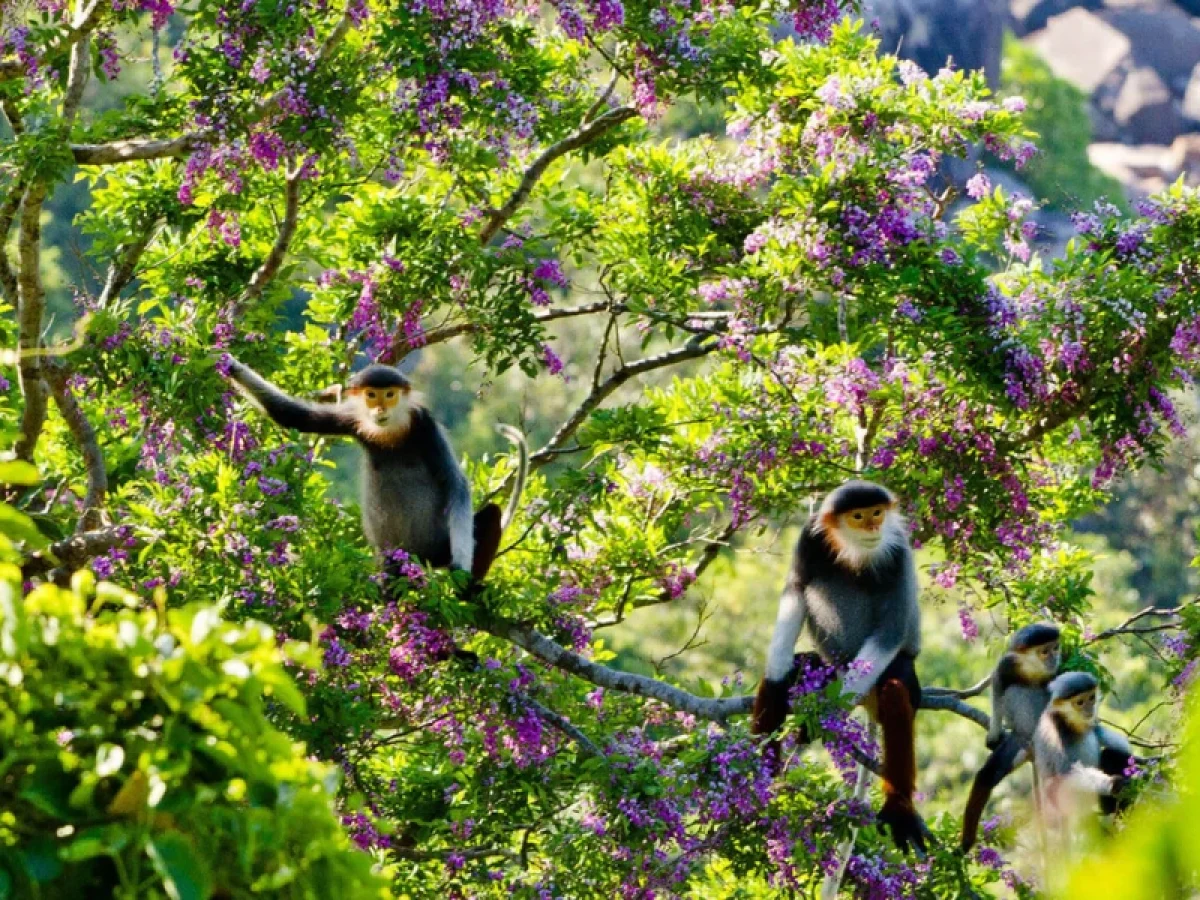
The soul of the Son Tra Peninsula lies within its canopy, home to one of the world’s most beautiful and endangered primates. In 2026, red-shanked douc langur conservation has become the gold standard for wildlife protection in Southeast Asia. These queens of primates, with their striking five-colored coats and expressive faces, are no longer just a lucky sighting for the persistent traveler. Instead, they are the esteemed residents of a thriving biodiversity corridor in Da Nang that has been painstakingly restored over the last decade. The commitment to their survival has transformed the way humans interact with the forest.
The city has implemented a “Silent Observation” protocol across all eco-conscious hiking trails to ensure these sensitive creatures can thrive without the stress of human intrusion. When you engage with local conservationist guides, you are taught a specific primate-watching etiquette that prioritizes the animals’ well-being over the perfect photograph. This etiquette involves maintaining a respectful distance, using low-decibel communication, and avoiding any bright colors that might startle the troops as they move through the upper tiers of the forest. This form of zero-impact exploration ensures that the “Radiant Pulse” of the forest remains undisturbed, allowing the langurs to maintain their natural social structures and foraging habits.
Furthermore, the success of the Son Tra reforestation project has provided these primates with expanded territories. Vast areas that were once fragmented by old roads or invasive species have been reconnected with indigenous fruit-bearing trees, creating a continuous bridge of greenery from the high peaks down to the coastal cliffs. For the traveler, witnessing a troop of Doucs leaping through the morning mist is more than just a highlight of a Son Tra 2026 travel guide; it is a spiritual encounter that underscores the success of community-led preservation.
Regenerative Travel Vietnam: The New Standard of Sustainable Tourism Da Nang
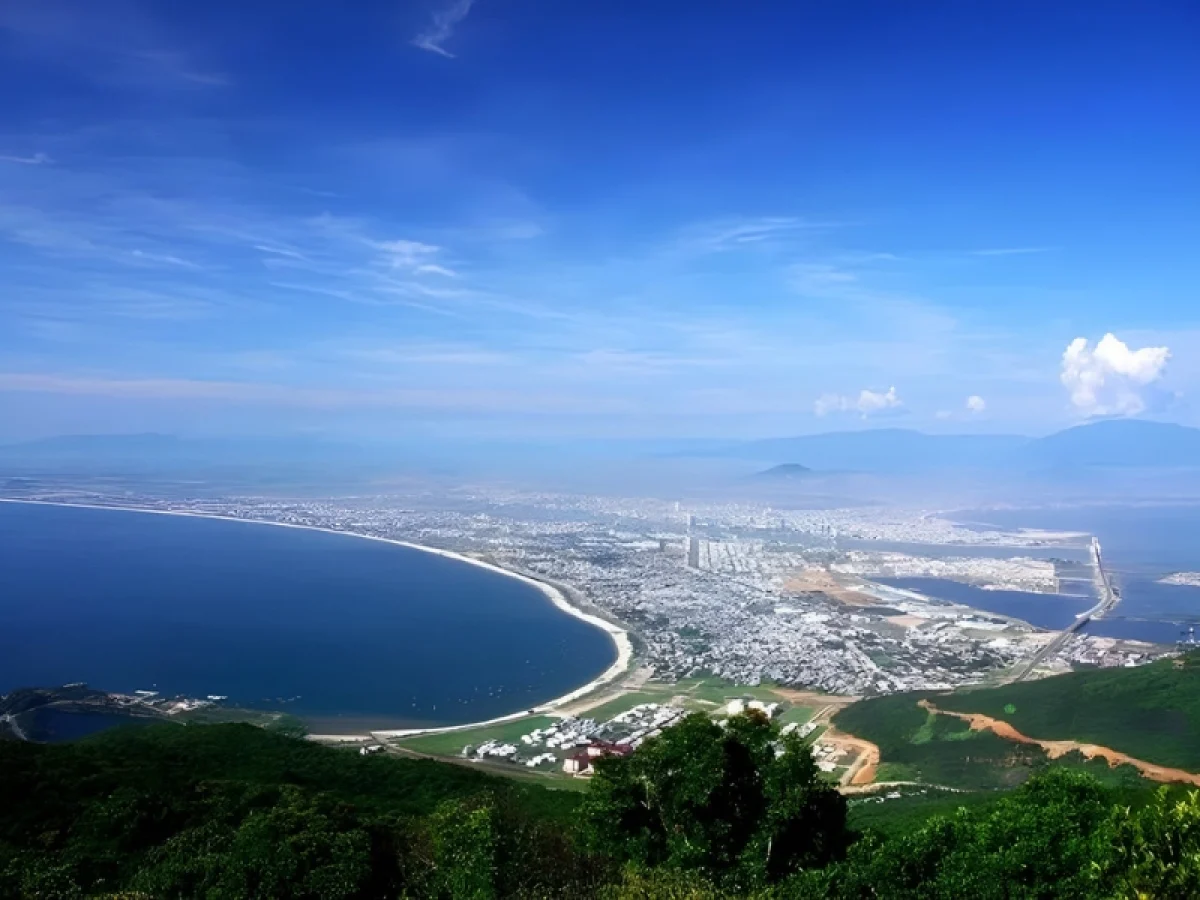
As we navigate through 2026, the concept of “ecotourism” has been replaced by a more ambitious goal: regenerative travel in Vietnam. While sustainability was about doing less harm, regeneration is about active healing. Every visitor to the Son Tra Peninsula now plays a part in the mountain’s recovery. This shift is most visible in the partnership between the city and luxury providers like the InterContinental Danang Sun Peninsula Resort, where the guest experience is inextricably linked to environmental stewardship.
In this new era, sustainable tourism in Da Nang is not just about reducing plastic; it is about “net-positive” impact. A portion of every conservation fee collected from visitors goes directly into a fund that pays for the ongoing monitoring of rare flora and fauna in Vietnam. Travelers can choose to spend their mornings working alongside scientists to document orchid varieties or participate in “citizen science” projects that track the migration patterns of coastal birds. This immersive approach allows for a deeper connection to the land, turning a vacation into a meaningful contribution to the Son Tra Peninsula’s biodiversity.
The peninsula’s “Blue Spaces” also benefit from this regenerative mindset. The coral reefs surrounding the base of the mountain are now protected as marine sanctuaries, with restricted access zones that allow the underwater ecosystem to flourish. Visitors who participate in guided snorkeling or diving are required to follow strict guidelines to ensure no contact with the reef. This holistic approach ensures that the mountain and the sea are treated as a single, breathing entity, preserving the touching serenity of Da Nang for future generations to enjoy.
Mindful Trekking Da Nang: The Healing Power of Forest Bathing Vietnam
In 2026, the way we traverse the mountain has fundamentally changed from high-speed transit to high-awareness movement. The roar of motorbikes on the winding coastal roads has been replaced by the quiet crunch of footsteps on mindful trekking Da Nang paths. These trails are engineered using permeable materials and elevated boardwalks that prevent soil compaction and protect the delicate root systems of the giant banyan trees. This allows travelers to engage in the ancient yet revitalized practice of forest bathing in Vietnam, or shinrin-yoku.

As you move deeper into the dense undergrowth, the air grows cooler and more saturated with the scent of damp earth and wild jasmine, a natural coolcation Son Tra effect that rejuvenates the weary urban soul. Forest bathing Vietnam sessions on Son Tra are now a core component of any premium wellness itinerary. Led by mindfulness experts, these journeys encourage you to synchronize your breathing with the swaying of the ironwood trees and the rhythmic calls of the cicadas. The goal is not to reach a destination but to inhabit the journey, reclaiming a sense of inner peace that is often lost in the digital chaos of the modern world.
These eco-conscious hiking trails are also designed to be educational. Along the path, you will find “Wisdom Stones,” discreet markers that share stories of the mountain’s history and the rare flora and fauna of Vietnam that call this place home. You might encounter a local artist sketching the intricate patterns of a butterfly or a researcher recording the sounds of the forest for a bioacoustic library. This atmosphere of quiet study and deep appreciation is what defines the Son Tra Peninsula experience in 2026, making it a true sanctuary for the mind and body.
Ban Co Peak 2026 and the Spiritual Journey of Linh Ung Pagoda
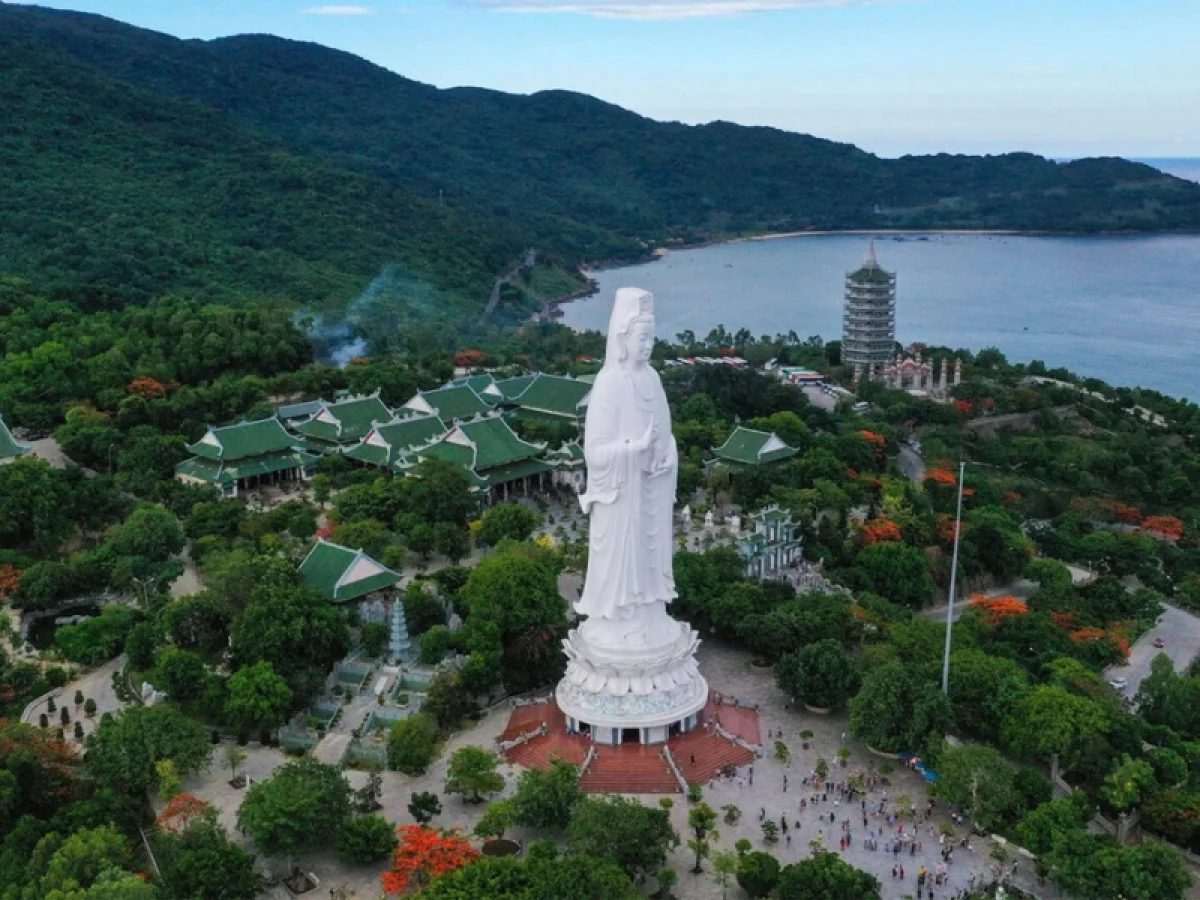
No exploration of the sacred mountain Da Nang is complete without acknowledging its profound spiritual weight. The Linh Ung Pagoda spiritual journey remains a cornerstone of the local experience, standing as a sentinel of peace overlooking the bay. In 2026, the pagoda has embraced the city’s environmental mission, incorporating solar-powered prayer wheels and digital lanterns to reduce the impact of traditional offerings. The presence of the Lady Buddha statue, towering over the coast, serves as a reminder of the protection that the city affords to its natural treasures.
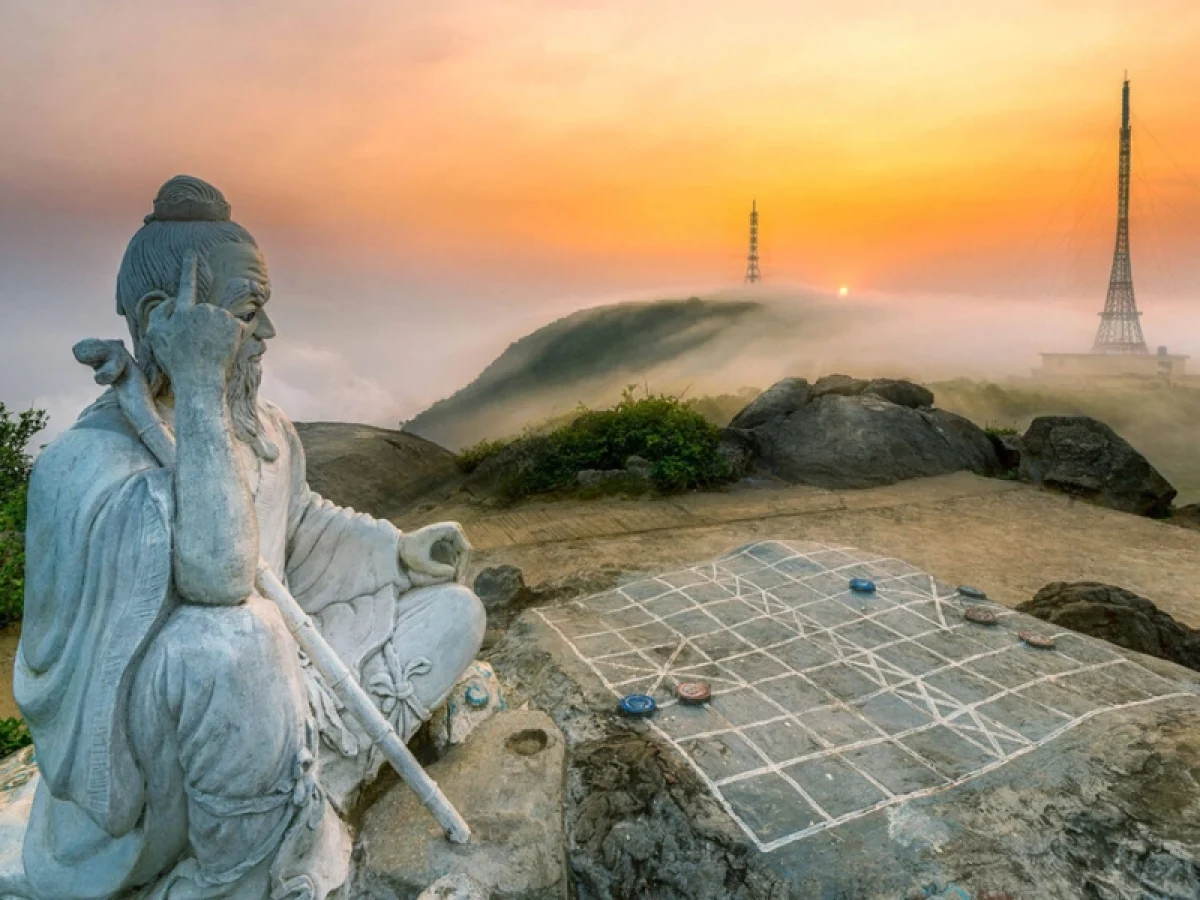
The journey continues upward to Ban Co Peak 2026, the highest point on the peninsula. Reaching the summit is no longer about the frantic race for a panoramic selfie. Instead, the peak has been transformed into a space for silent reflection. The legendary statue of the Chess Spirit, eternally locked in a game of strategy, serves as a metaphor for the balance humanity must find with nature. The peak is now a designated “Silence Zone,” where visitors are encouraged to put away their devices and simply absorb the view of the Han River meeting the ocean. From this height, the layout of the environmental city Da Nang is visible, showing a metropolis that is slowly being reclaimed by green corridors.
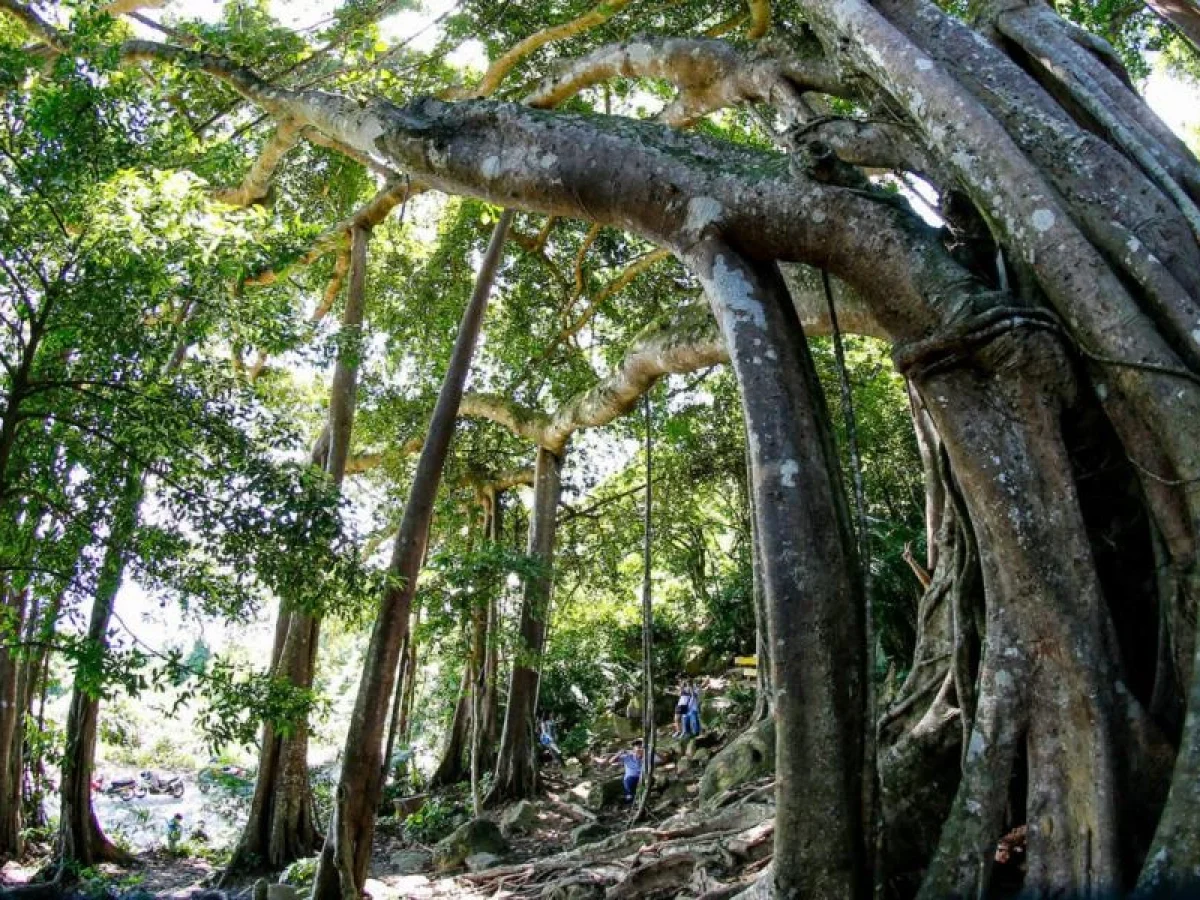
Between the pagoda and the peak, the thousand-year-old banyan tree stands as a living monument to endurance. In 2026, this ancient organism is protected by an expanded non-touch zone, allowing its gargantuan aerial roots to find purchase in the soil without human interference. This site has become a favorite for Son Tra nature photography, as the light filtering through the massive canopy creates a cathedral-like atmosphere that is both humbling and awe-inspiring. It is a place where time seems to slow down, allowing the traveler to connect with a history that spans centuries before the first stone of the city was laid.
Son Tra Dark Sky Zone: Reclaiming the Night for the Wild
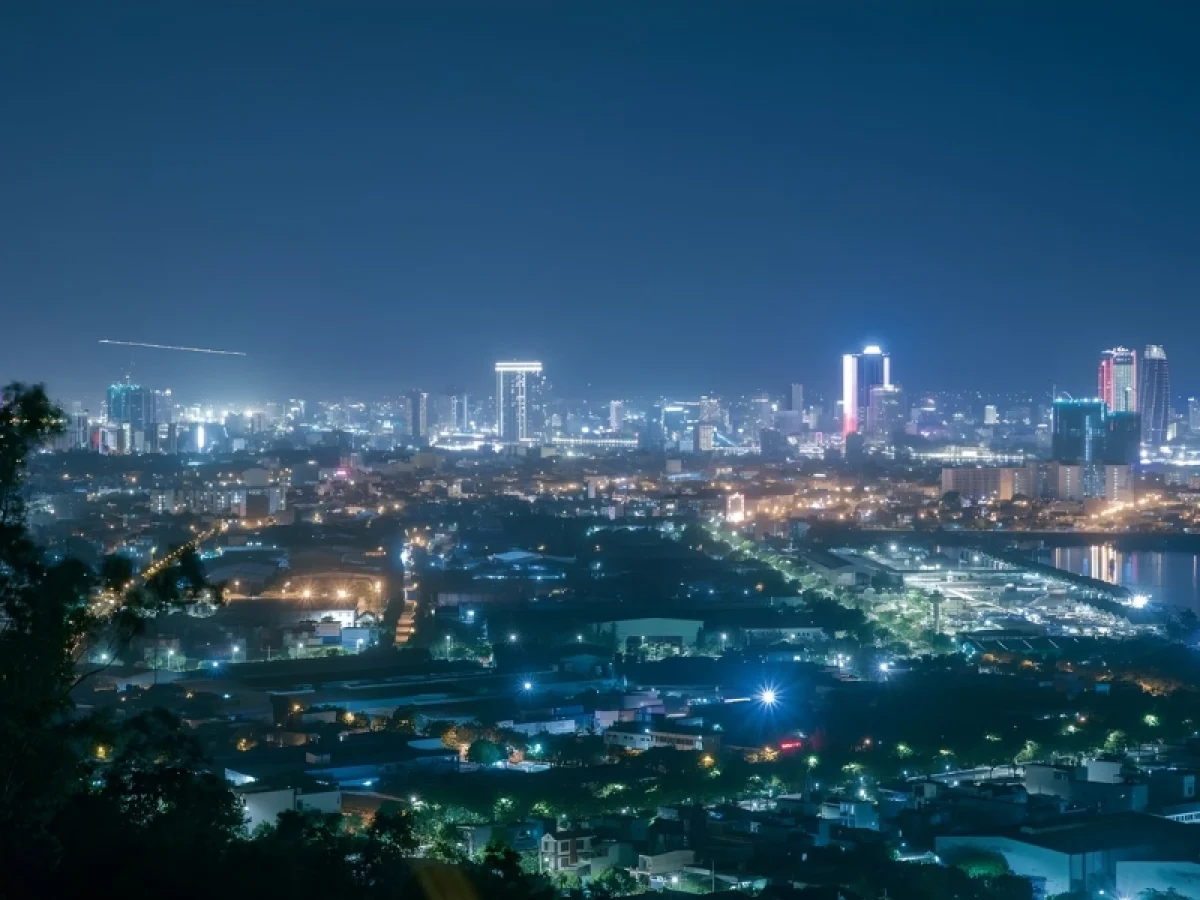
As the sun sets and the city lights begin to twinkle across the bay, the Son Tra Peninsula enters its most mysterious phase. In 2026, the city inaugurated the Son Tra Dark Sky Zone, a pioneering initiative to eliminate light pollution from the mountain’s heights. This commitment is vital for the protection of nocturnal wildlife, particularly the sea turtles that nest on the peninsula’s more secluded beaches and the rare owls that hunt in the upper canopy.
For the adventurous traveler, carbon-neutral trekking tours are conducted under the vast canopy of stars. These night walks are led by local conservationist guides who use specialized red-light torches that do not disturb the animals’ vision. This experience is a masterclass in sensory awakening. Without the dominance of sight, your hearing becomes more acute—you notice the rustle of a civet in the undergrowth or the distinct “whoop” of a distant primate. It is a true digital detox nightlife experience that connects you to the cosmos, proving that the greatest light show on earth is the one provided by the natural universe.
The Dark Sky initiative also includes the “Midnight Silence” policy, where all mechanical sounds are prohibited after 9:00 PM. This allows the mountain to return to its primal state, undisturbed by the vibrations of the modern world. For those staying at the InterContinental Danang Sun Peninsula Resort, the experience is one of pure, unadulterated luxury, falling asleep to the sound of the waves and the wind, knowing that the darkness outside is a sanctuary for millions of living things. This dedication to the night is perhaps the most profound expression of regenerative travel in Vietnam, acknowledging that nature needs the dark to heal and grow.
Sustainable Luxury at the InterContinental Danang Sun Peninsula Resort
In the realm of high-end travel, the Son Tra Peninsula is synonymous with a level of luxury that is both opulent and ethical. The InterContinental Danang Sun Peninsula Resort has long been the flagship of this movement, but in 2026, it has redefined what it means to be a “Conservation Hotel.” Every aspect of the resort, from its “Bill” Bensley”-designed architecture that hugs the hillside to its zero-waste dining programs, is built around the preservation of the Son Tra Peninsula biodiversity.
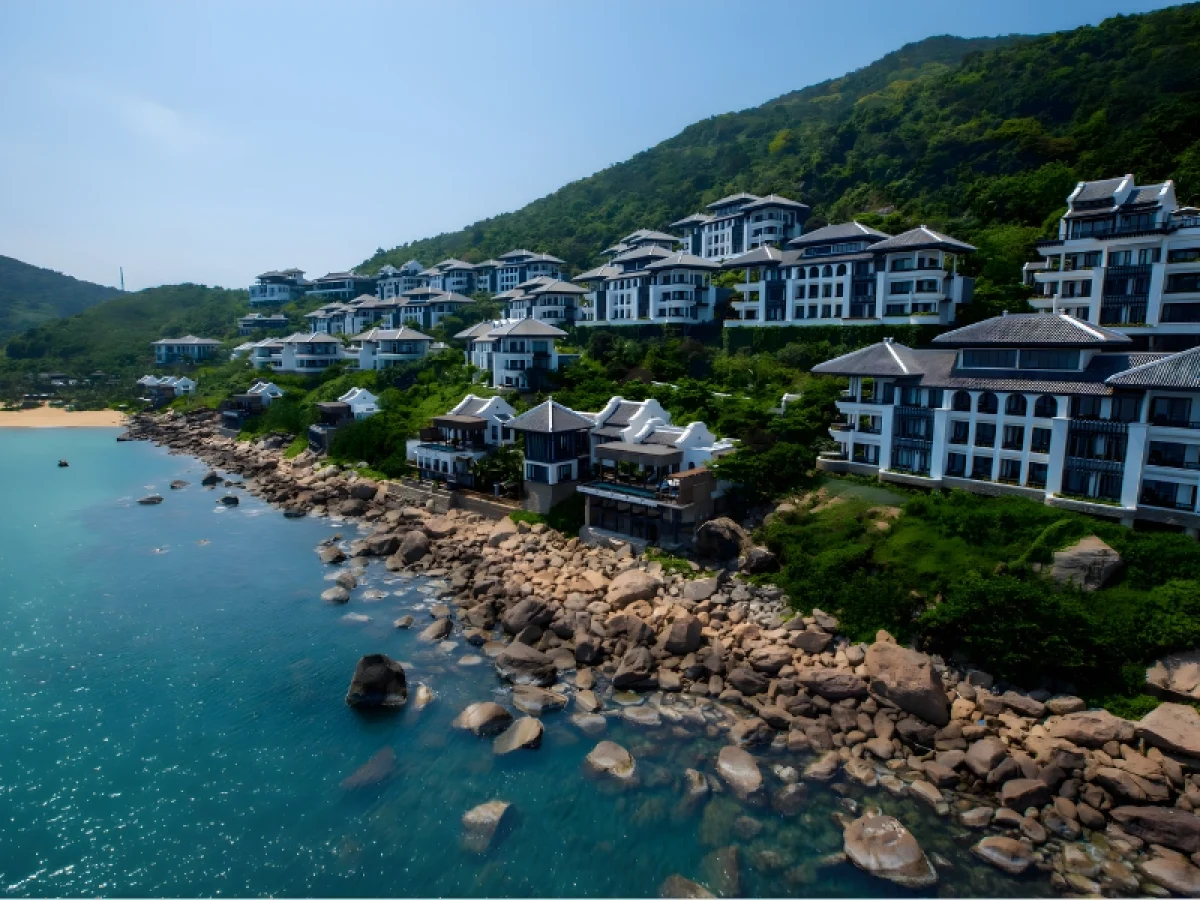
The resort’s “Discovery Center” has become a hub for environmental education, where guests can attend lectures by world-renowned primatologists or participate in reforestation workshops. This integration of learning and leisure is what defines sustainable luxury in Da Nang. Guests are no longer passive consumers of beauty; they are active participants in its maintenance. Whether you are enjoying a farm-to-table meal featuring ingredients from the Hoa Bac valley or taking a solar-powered “Nam Tram” funicular to the beach, you are part of a system that prioritizes the planet alongside the person.
Furthermore, the resort acts as a literal buffer for the biodiversity corridor of Da Nang. By managing its vast private grounds as a nature reserve, it provides a safe haven for the Red-shanked Douc Langur and other rare flora and fauna of Vietnam. This model of “Conservation Through Commerce” shows that high-end tourism can be a powerful force for good, providing the financial resources and global platform necessary to protect a landscape as fragile and precious as Son Tra. It is the ultimate coolcation Son Tra experience, where the cool mountain air and the high-end service are matched by the peace of mind that comes from responsible travel.
A Practical Guide: Navigating the Son Tra 2026 Travel Guide
To fully appreciate the Son Tra Peninsula in its modern form, one must approach it with the heart of a guardian rather than a consumer. The city’s Son Tra 2026 travel guide emphasizes a few key principles for the conscious explorer.
- Transportation: To maintain the environmental city status of Da Nang, petrol-powered vehicles are strictly limited. Use the network of electric shuttles from the city center, or rent a high-range e-bike for a more personal, carbon-neutral trekking experience.
- Timing: The “Golden Window” is between 5:30 AM and 8:30 AM. This offers the best light for Son Tra nature photography and the highest probability of Red-shanked Douc Langur sightings before they retreat into the deep canopy.
- Access Permits: While the main roads are open, specific eco-conscious hiking trails and the Son Tra Dark Sky Zone require a digital “Green Pass” (easily obtained via the city’s tourism app) to manage visitor density.
- What to Pack: A reusable water bottle (Son Tra is a plastic-free zone), high-quality binoculars for zero-impact exploration, and eco-friendly insect repellent for forest bathing Vietnam sessions.
- Conduct: Adhere strictly to primate-watching etiquette. Maintain a 30-meter distance from wildlife, keep noise levels at a whisper, and never offer food to the animals.
Frequently Asked Questions About Son Tra Peninsula
- Can I see the Red-shanked Douc Langur every day?
Sightings are very frequent in 2026 due to successful Red-shanked Douc Langur conservation, but they are wild animals. Hiring local conservationist guides increases your success rate to nearly 90%.
- Is the Son Tra Dark Sky Zone open to everyone?
Yes, but only via registered, low-impact tours. This ensures that the Son Tra Peninsula biodiversity—especially nocturnal species—is not disturbed by light pollution.
- Are drones allowed for Son Tra nature photography?
No. Drones are strictly prohibited on the peninsula to protect the bird population and prevent stress to the primates.
- Is the Thousand-year-old Banyan Tree accessible?
Yes, via elevated boardwalks designed for zero-impact exploration. These protect the ancient roots while providing excellent views.
Flowing with the Radiant Pulse of the Mountain
Standing on the edge of the peninsula, watching the mist roll over the emerald peaks, one realizes that Son Tra is more than just a destination. It is a promise. It is the proof that we can choose a different path, a path of regenerative travel in Vietnam where our presence heals rather than harms. The Emerald Crown of Da Nang shines so brightly in 2026 because the city decided its most valuable asset was its Son Tra Peninsula biodiversity.
As you descend back toward the lights of the city, you carry with you more than just memories; you carry the Touching Serenity of Da Nang that only a truly wild mountain can provide. You carry the knowledge that for one day, you were not an outsider but a vital part of the mountain’s radiant pulse.

Comment (0)