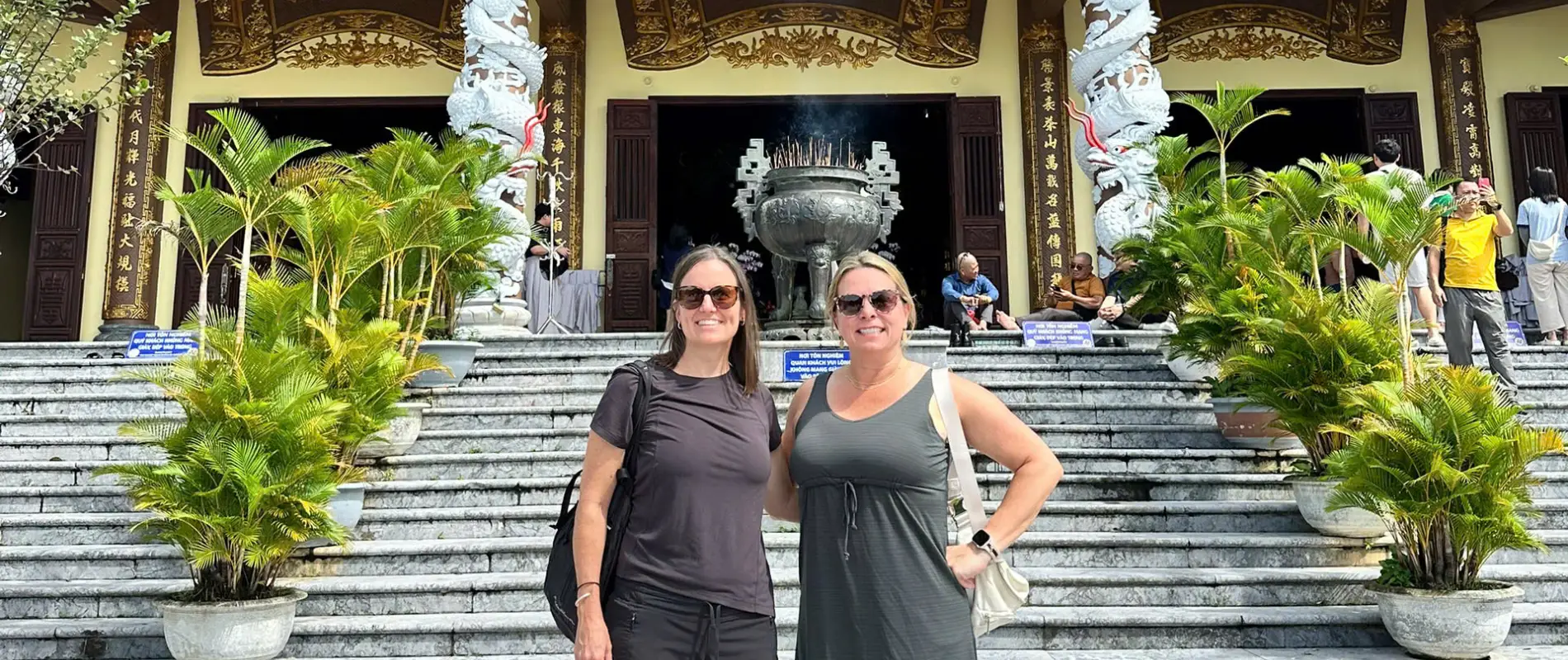
Da Nang Pagoda Tours | Sacred Pagodas and Spiritual Culture

Da Nang pagoda tours allow travelers to explore the sacred heart of the region while experiencing authentic Vietnamese Buddhist culture.

It represents centuries of spiritual traditions, cultural heritage, and local beliefs that continue to shape daily life in central Vietnam. From the towering Lady Buddha statue at Linh Ung Pagoda to the mysterious cave temples of the Marble Mountains, every pagoda in Da Nang tells its own story.

For visitors, discovering these spiritual sites with a knowledgeable guide provides deeper cultural insight. Our Da Nang tours combine history, architecture, and breathtaking scenery, making them one of the most meaningful experiences in the city.

Top 10+ Da Nang Pagoda Tours 2026–2027

The Most Famous Pagoda in Da Nang

Visiting a pagoda in Da Nang allows travelers to observe local rituals, understand Buddhist symbolism, and learn about Vietnam’s long spiritual history. Many travelers find that these moments provide a deeper understanding of Vietnamese culture than typical sightseeing tours.

Linh Ung Pagoda

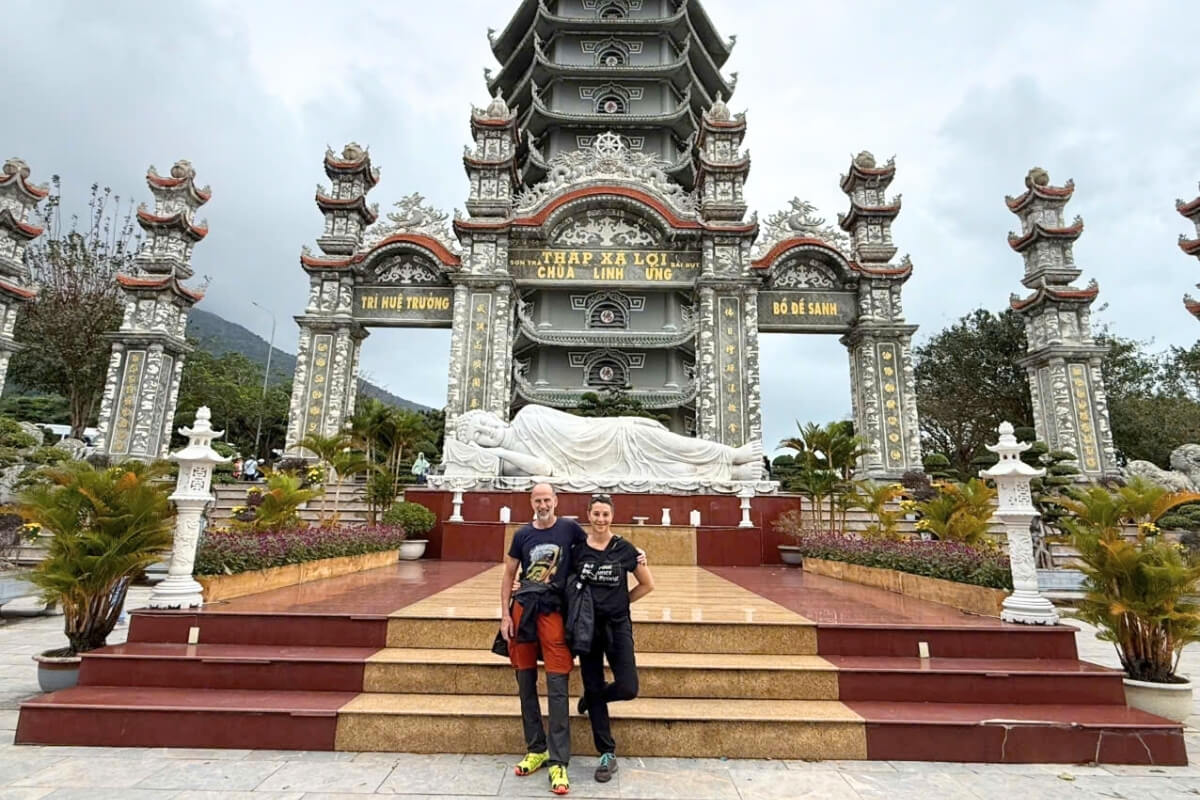
Linh Ung Pagoda on Son Tra Peninsula is widely considered the most famous Da Nang pagoda and one of the most important spiritual landmarks in Central Vietnam. Located about 10 kilometers from the city center, the pagoda sits on a hillside overlooking the East Sea, offering breathtaking panoramic views of Da Nang’s coastline and surrounding mountains. What makes this pagoda in Da Nang particularly special is the towering Lady Buddha statue (Avalokitesvara Bodhisattva), which stands 67 meters tall. It is the tallest Buddha statue in Vietnam and has become a symbol of peace and protection for local fishermen and residents. According to local belief, the statue faces the sea to calm storms and bring safety to people who work on the ocean.
Quan Am Pagoda

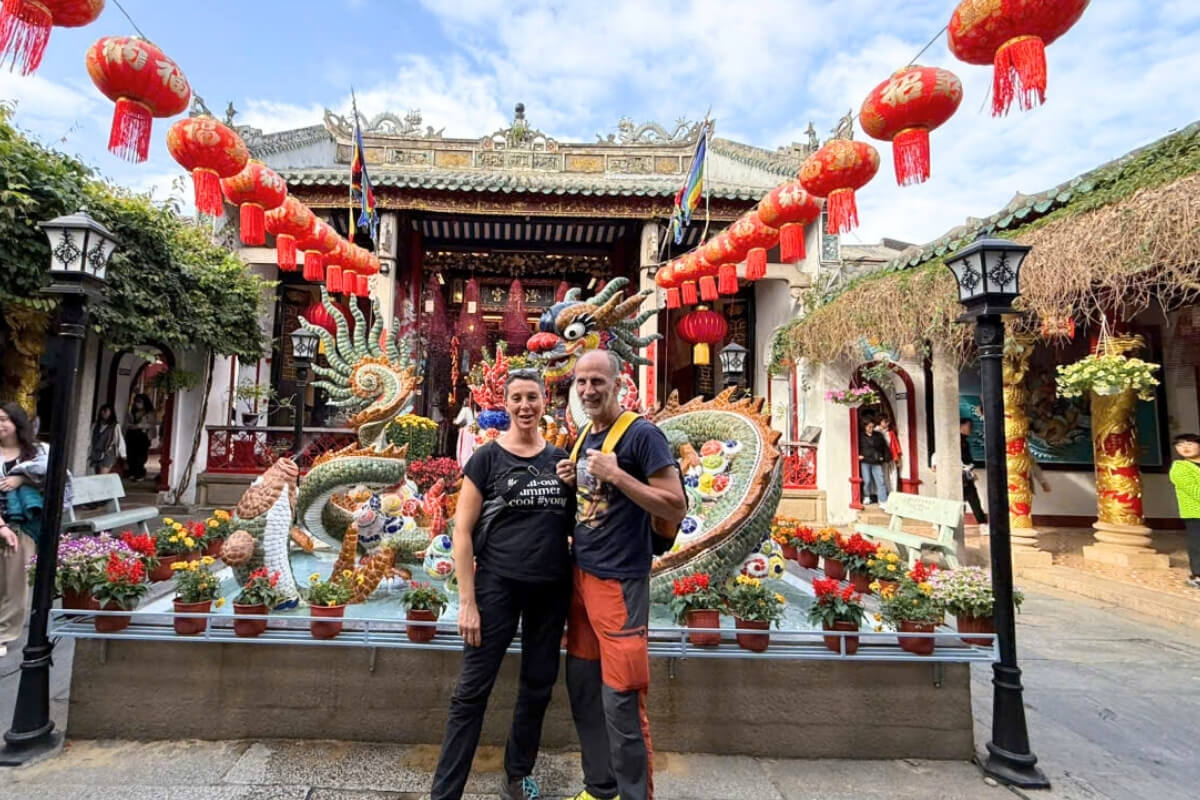
Quan Am Pagoda is another unique Da Nang pagoda located at the foot of the Marble Mountains. This temple is famous for its connection to the nearby Quan Am Cave, where a natural stalagmite resembling the Bodhisattva Avalokitesvara was discovered. Because of this natural formation, the pagoda became an important pilgrimage site for Buddhists who come to pray for compassion, peace, and protection. The temple complex is surrounded by lush gardens and small shrines that create a tranquil spiritual environment. One of the highlights of visiting this pagoda in Da Nang is the opportunity to explore the cave temple itself. Sunlight filters through openings in the rock ceiling, illuminating Buddha statues and altars inside the cave. The dramatic natural lighting creates an almost mystical atmosphere that leaves a strong impression on visitors.
Tam Thai Pagoda

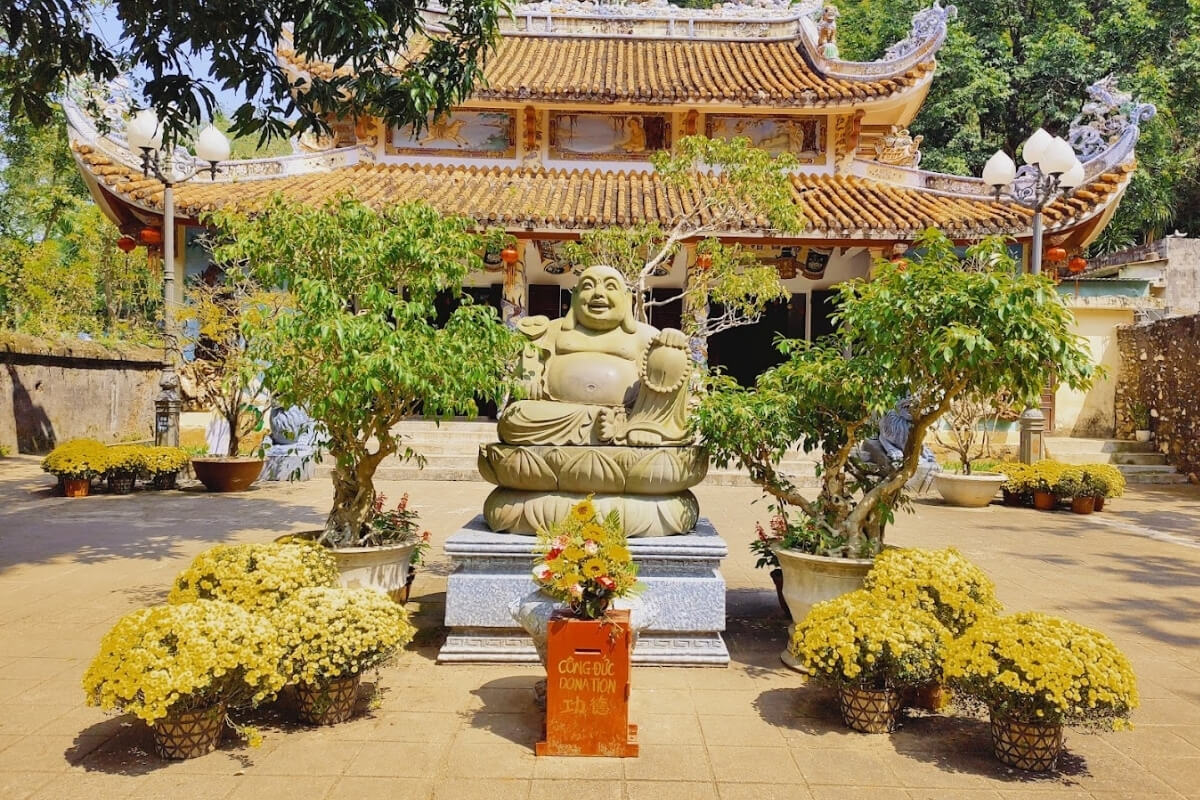
Tam Thai Pagoda is one of the oldest and most historically significant pagodas in Da Nang. Built in the 17th century during the Nguyen Dynasty, this temple played an important role in the development of Buddhism in Central Vietnam. Located on the slopes of Thuy Son, the largest mountain in the Marble Mountains complex, Tam Thai Pagoda was once recognized as a national temple by the Nguyen emperors. Because of its historical importance, the pagoda has been carefully preserved and restored while maintaining its original architectural style. Visitors reaching the pagoda will notice its elegant three-entrance gate, ancient stone stairways, and peaceful courtyard surrounded by lush greenery. The temple’s interior houses several Buddha statues and traditional altars that reflect centuries of religious devotion.
Phap Lam Pagoda

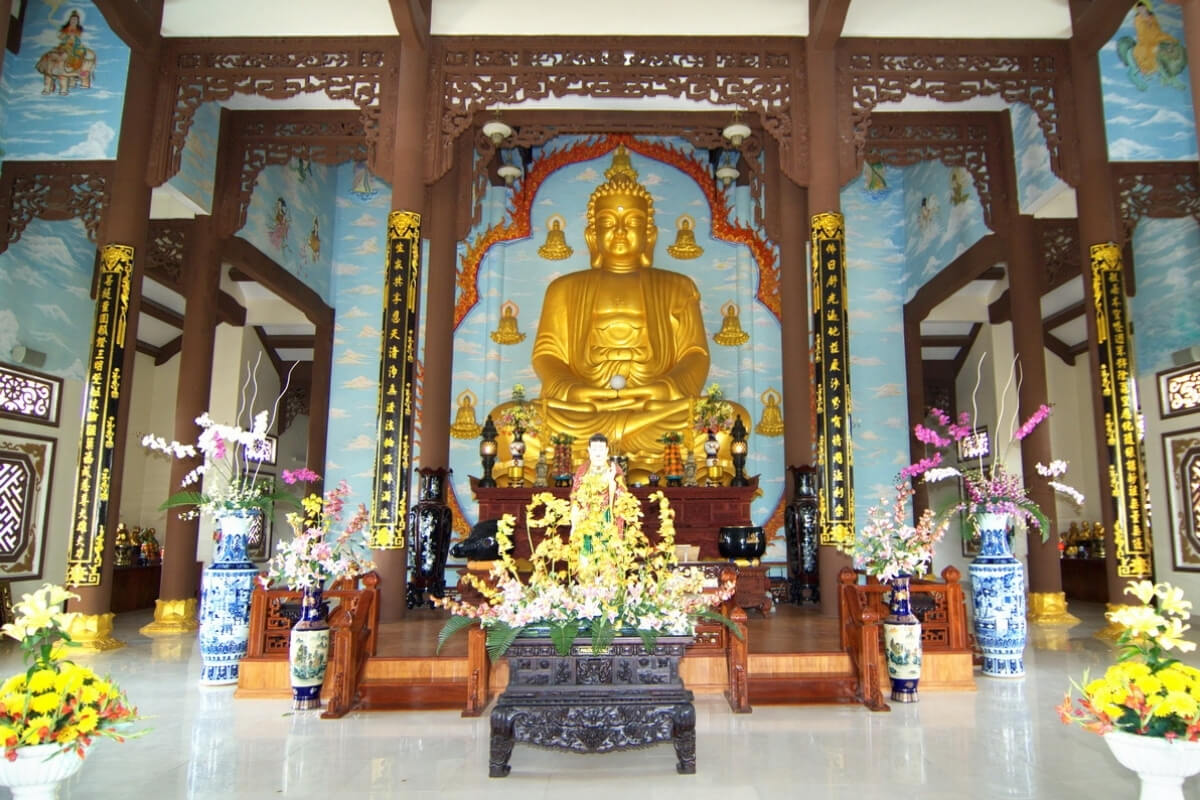
Tam Thai Pagoda is one of the oldest and most historically significant pagodas in Da Nang. Built in the 17th century during the Nguyen Dynasty, this temple played an important role in the development of Buddhism in Central Vietnam. Located on the slopes of Thuy Son, the largest mountain in the Marble Mountains complex, Tam Thai Pagoda was once recognized as a national temple by the Nguyen emperors. Because of its historical importance, the pagoda has been carefully preserved and restored while maintaining its original architectural style. Visitors reaching the pagoda will notice its elegant three-entrance gate, ancient stone stairways, and peaceful courtyard surrounded by lush greenery. The temple’s interior houses several Buddha statues and traditional altars that reflect centuries of religious devotion.
Pho Da Pagoda

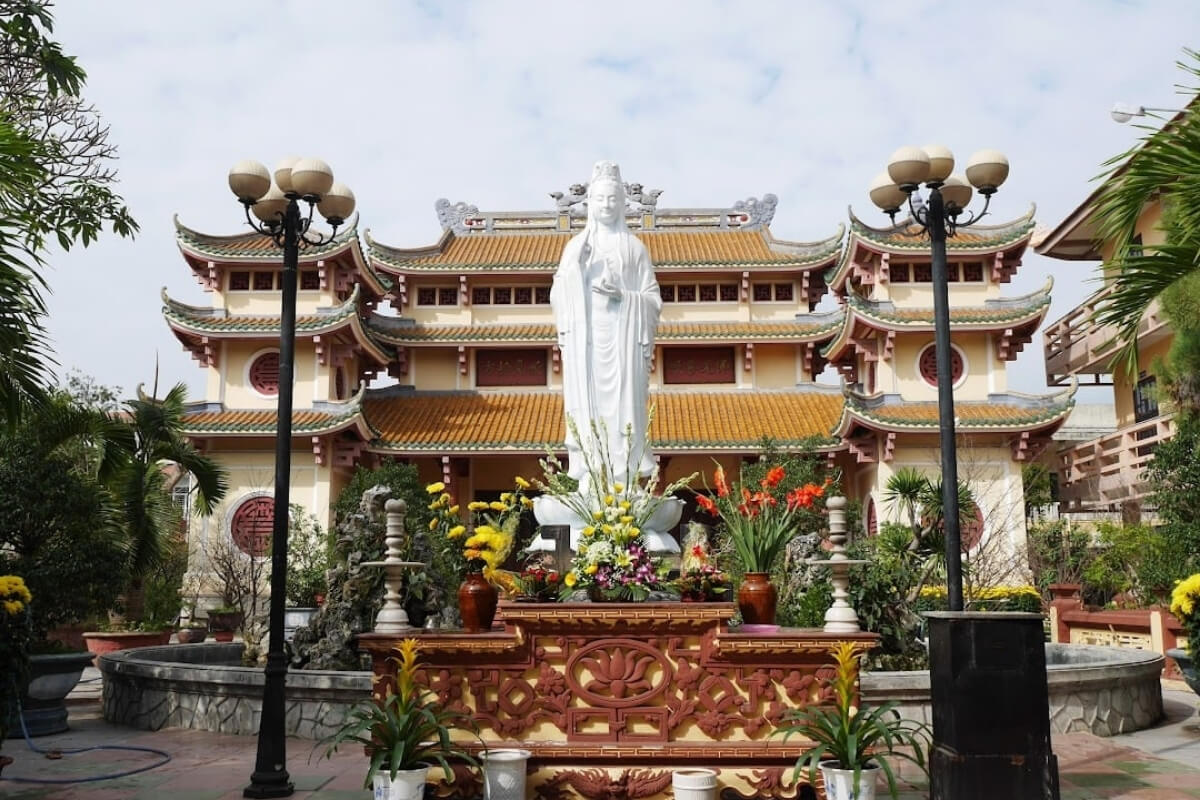
Pho Da Pagoda is another important pagoda in Da Nang known for its long history and strong connection to the local Buddhist community. Located in Hai Chau District, the temple has been an important religious center for decades and continues to serve as a place of worship, meditation, and community gatherings. This Da Nang pagoda stands out for its traditional architecture and tranquil surroundings. The temple grounds feature beautifully designed prayer halls, statues of Buddhist deities, and shaded courtyards where visitors can quietly observe religious practices. Pho Da Pagoda is especially known for its role in Buddhist education and charitable activities. The temple often organizes cultural events, religious ceremonies, and social programs that support the local community. Because of this, it is considered not only a spiritual center but also a place that reflects the compassionate values of Vietnamese Buddhism.
Nam Son Pagoda

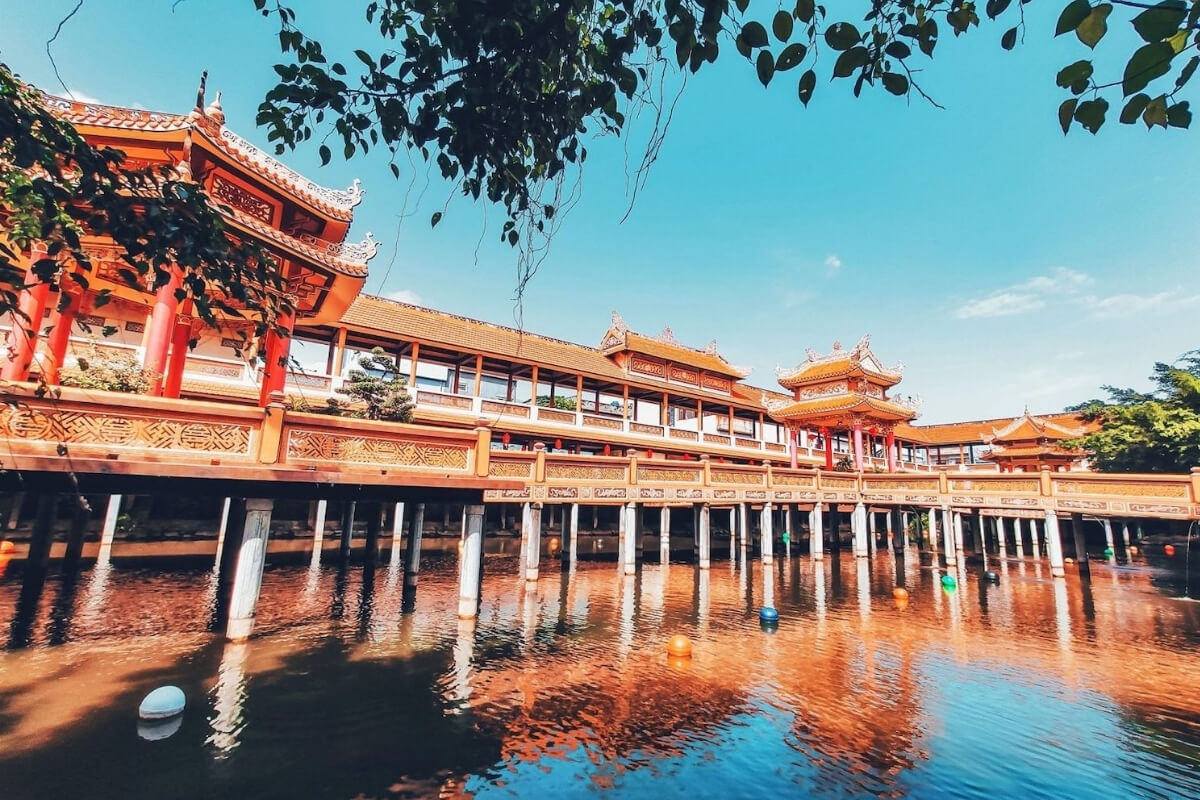
Nam Son Pagoda is widely considered one of the most visually impressive Da Nang pagodas, thanks to its grand architecture and beautifully landscaped grounds. Located in Hoa Chau Commune, about 10 kilometers from the city center, this temple complex has become a popular destination for both pilgrims and travelers. What makes this pagoda in Da Nang particularly unique is its harmonious blend of traditional Vietnamese and East Asian Buddhist architectural styles. The temple complex features elegant stone gates, lotus ponds, dragon statues, and intricately decorated prayer halls that create a majestic spiritual atmosphere. One of the highlights of Nam Son Pagoda is its large courtyard lined with statues and sculptures representing various Buddhist teachings. Visitors walking through the temple grounds will notice the careful balance between architectural beauty and peaceful natural surroundings.

Frequently Asked Questions about Da Nang Pagoda Tours

1. What are the most famous pagodas to visit in Da Nang?

Some of the most famous pagodas in Da Nang include Linh Ung Pagoda on Son Tra Peninsula, Linh Ung Pagoda in the Marble Mountains, Tam Thai Pagoda, Nam Son Pagoda, Phap Lam Pagoda, and Quan Am Pagoda. Each pagoda in Da Nang offers a unique cultural and spiritual experience.

Linh Ung Pagoda on Son Tra Peninsula is especially well known for the 67-meter Lady Buddha statue overlooking the sea. Meanwhile, the pagodas inside the Marble Mountains provide a historic and mystical atmosphere with ancient cave temples and panoramic viewpoints.

Most Da Nang pagoda tours combine several of these locations in one itinerary so visitors can experience both the spiritual heritage and natural beauty of the region.

2. How long does a Da Nang pagoda tour usually take?

A typical Da Nang pagoda tour usually lasts between four and six hours, depending on the number of temples included in the itinerary. Half-day tours often visit Linh Ung Pagoda on Son Tra Peninsula and the Marble Mountains, which are the two most famous spiritual destinations in the city.

Some extended Da Nang pagoda tours may also include additional temples such as Nam Son Pagoda, Phap Lam Pagoda, or Pho Da Pagoda. These tours provide a deeper cultural experience and allow travelers to explore both famous landmarks and lesser-known temples.

Because many pagodas are located in scenic areas such as mountains or coastal hills, the tour often combines sightseeing, cultural learning, and photography opportunities.

3. What should visitors wear when visiting a pagoda in Da Nang?

When visiting a pagoda in Da Nang, visitors are encouraged to dress respectfully. This means wearing clothing that covers the shoulders and knees. Lightweight long pants or a long skirt and a modest shirt are recommended, especially when entering temple halls.

Many pagodas allow tourists to explore the grounds freely, but visitors should remove hats when entering prayer areas and avoid loud behavior inside the temple. Respecting local customs helps maintain the peaceful atmosphere of the pagoda and shows appreciation for Vietnamese spiritual traditions.

Travelers joining Da Nang pagoda tours will usually receive guidance from their tour guide about appropriate etiquette when visiting religious sites.

4. When is the best time to visit pagodas in Da Nang?

The best time to visit a pagoda in Da Nang is during the morning or late afternoon. During these hours, the weather is cooler, and the temple grounds are often quieter, allowing visitors to fully enjoy the peaceful surroundings.

The dry season from February to August is also ideal for Da Nang pagoda tours because the clear skies provide beautiful views from mountain temples such as those in the Marble Mountains or Son Tra Peninsula.

For travelers interested in cultural experiences, visiting during Buddhist festivals can also be memorable. Temples are often decorated with lanterns and flowers, and special ceremonies take place throughout the day.

5. Are Da Nang pagoda tours suitable for international travelers?

Yes, Da Nang pagoda tours are very suitable for international travelers who want to learn more about Vietnamese culture and Buddhism. Many tours are designed specifically for foreign visitors and include English-speaking guides who explain the history, architecture, and spiritual significance of each pagoda.

These tours often combine cultural storytelling with sightseeing, making them both educational and enjoyable. Visitors not only see beautiful temples but also gain a deeper understanding of Vietnamese traditions and daily spiritual life.

For many travelers, visiting a pagoda in Da Nang becomes one of the most meaningful experiences during their trip to Central Vietnam.

6.Can Da Nang pagoda tours be combined with other attractions?

Yes, many Da Nang pagoda tours can be combined with other popular attractions in the area. For example, travelers often visit the Marble Mountains, Son Tra Peninsula, or nearby beaches during the same tour.

Some itineraries also include stops at local markets, traditional villages, or scenic viewpoints. This allows visitors to explore both the cultural and natural highlights of Da Nang in a single day.

Combining temple visits with other attractions makes the tour more diverse and provides a well-rounded experience of the region.