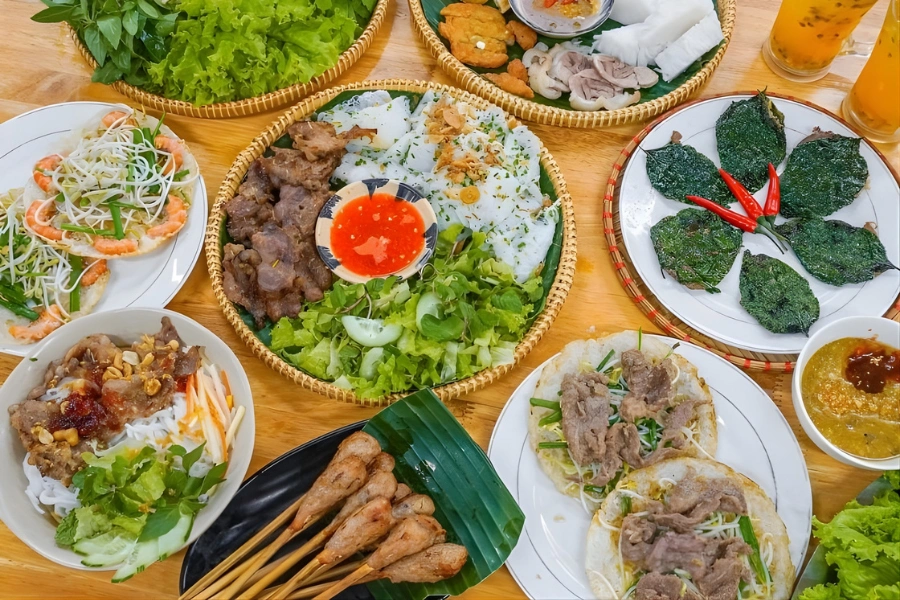
Discover the raw, soulful Da Nang food scene with My Danang Tours. Experience the 2026 “Radical Local” movement, where high-tech contemporary dining meets ancestral Vietnamese recipes. From back-alley cauldrons to ocean-fresh snapper, we take you beyond the fluff to the authentic, high-stakes flavors of the city.
The Artisan’s Bowl: Elevating Mi Quang and Central Vietnamese Cuisine
The heart of the Da Nang food scene beats in a bowl of Mi Quang. However, in 2026, we are witnessing the rise of the Mi Quang artisan, a movement led by chefs who are stripping back the commercial layers to return to the dish’s soulful roots while elevating its presentation to an art form. This is the quintessence of central Vietnamese cuisine, where every ingredient tells a story of the soil and the season.
The Sacred Geometry of the Noodle
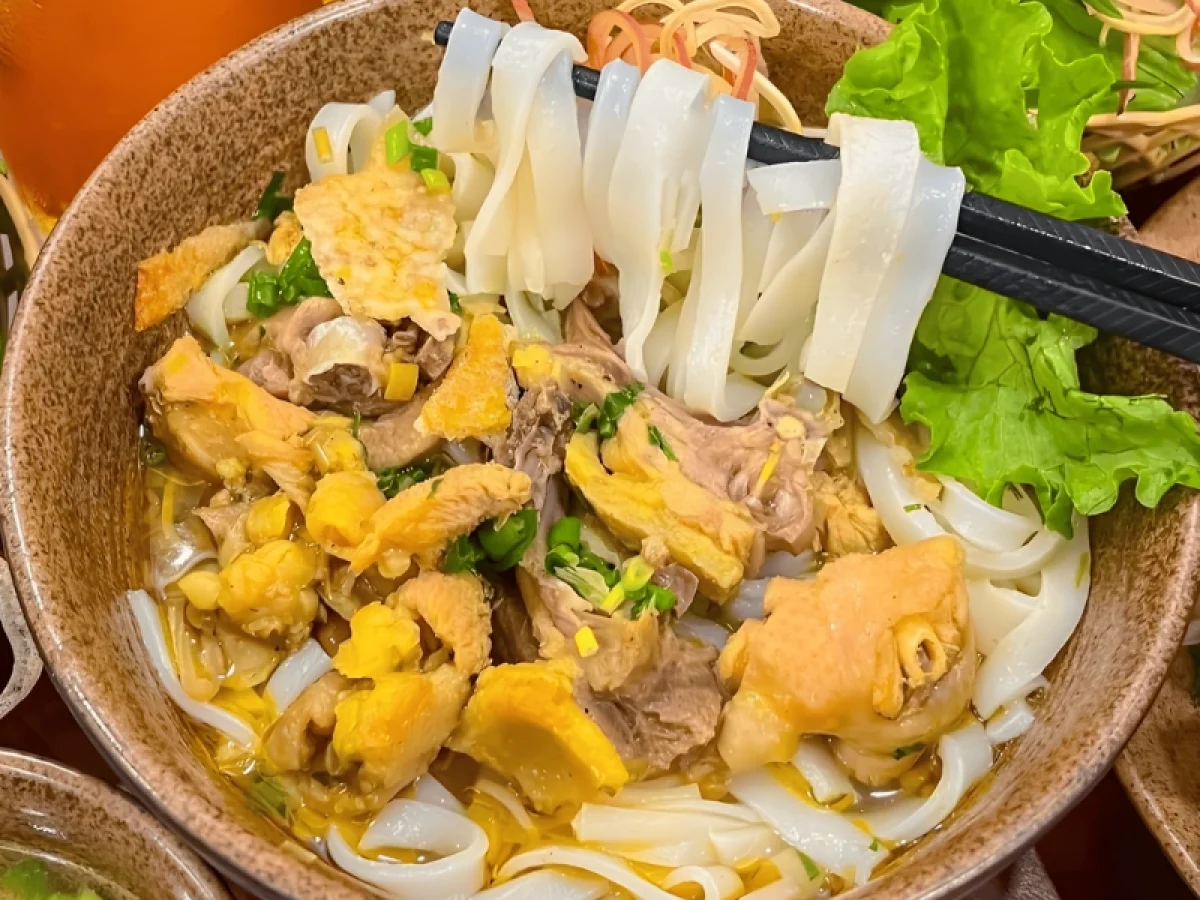
A true Mi Quang artisan in 2026 doesn’t just buy noodles; they grow the rice. In the rural fringes of the city, specific heirloom rice varieties are being revived to create a noodle with the perfect “bite” and earthy aroma. The turmeric that colors the noodles is hand-ground, and the peanut oil is pressed in small batches using traditional stone mills. When you eat this at a specialized shop in the Hai Chau district, you are tasting local craftsmanship in edible form. The texture is firm yet supple, a canvas for the rich toppings that follow.
The Broth of the Ancients
The secret to the 2026 Mi Quang lies in the “Nuoc Leo” (broth). Moving away from MSG and artificial enhancers, modern Da Nang chefs are returning to long-simmered stocks made from river shrimp, pork bone, and the essential Cu Nen (compressed chives) sautéed in peanut oil. This creates a concentrated, high-vibration liquid that coats the noodles rather than submerging them. It is a lesson in restraint and depth, proving that the Da Nang food scene values the “Ancient Hands” of the grandmother as much as the “Modern Soul” of the young chef. This dedication to traditional Vietnamese recipes ensures that the flavor remains untainted by the rush of modernity.
Sustainable Seafood in Da Nang: Respecting the Blue Frontier
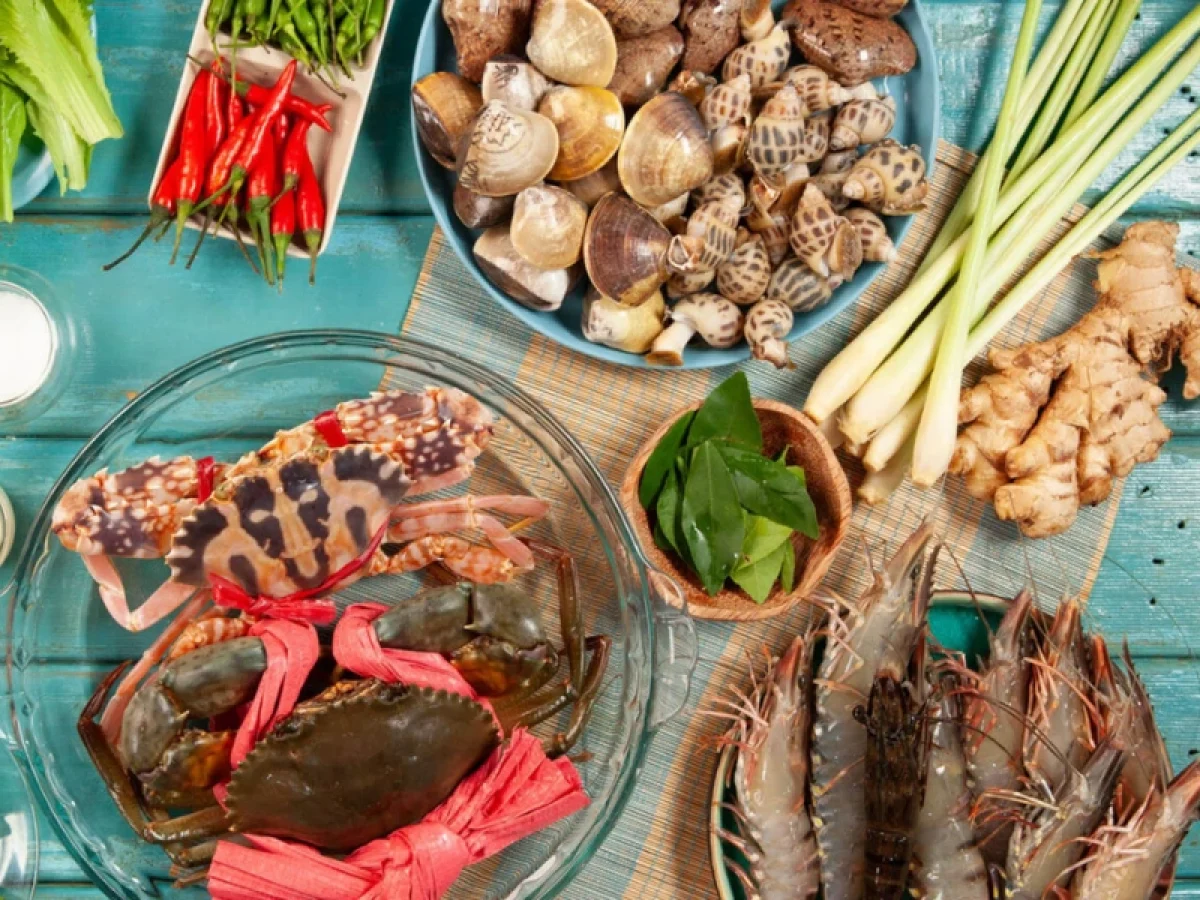
For decades, Da Nang has been synonymous with the bounty of the East Sea. But in 2026, the industry has shifted from volume to value. Sustainable seafood in Da Nang is now a mandatory standard for any reputable establishment, ensuring that the ocean’s blue frontier remains vibrant for future generations through active seafood conservation efforts.
Traceability from Net to Plate
When you dine at a premier seafood restaurant along Vo Nguyen Giap street today, your menu often comes with a digital link. A quick scan reveals the “birth certificate” of your meal: the name of the fishing boat, the specific coordinates where the catch happened, and the certification of the seafood conservation methods used. This transparency has elevated the dining experience, turning a simple meal into an act of environmental stewardship. The flavor of a line-caught red snapper, handled with precision and served within hours of the catch, is a revelation—clean, sweet, and undeniably fresh.
The Rise of the “Ocean-to-Table” Fine Dining
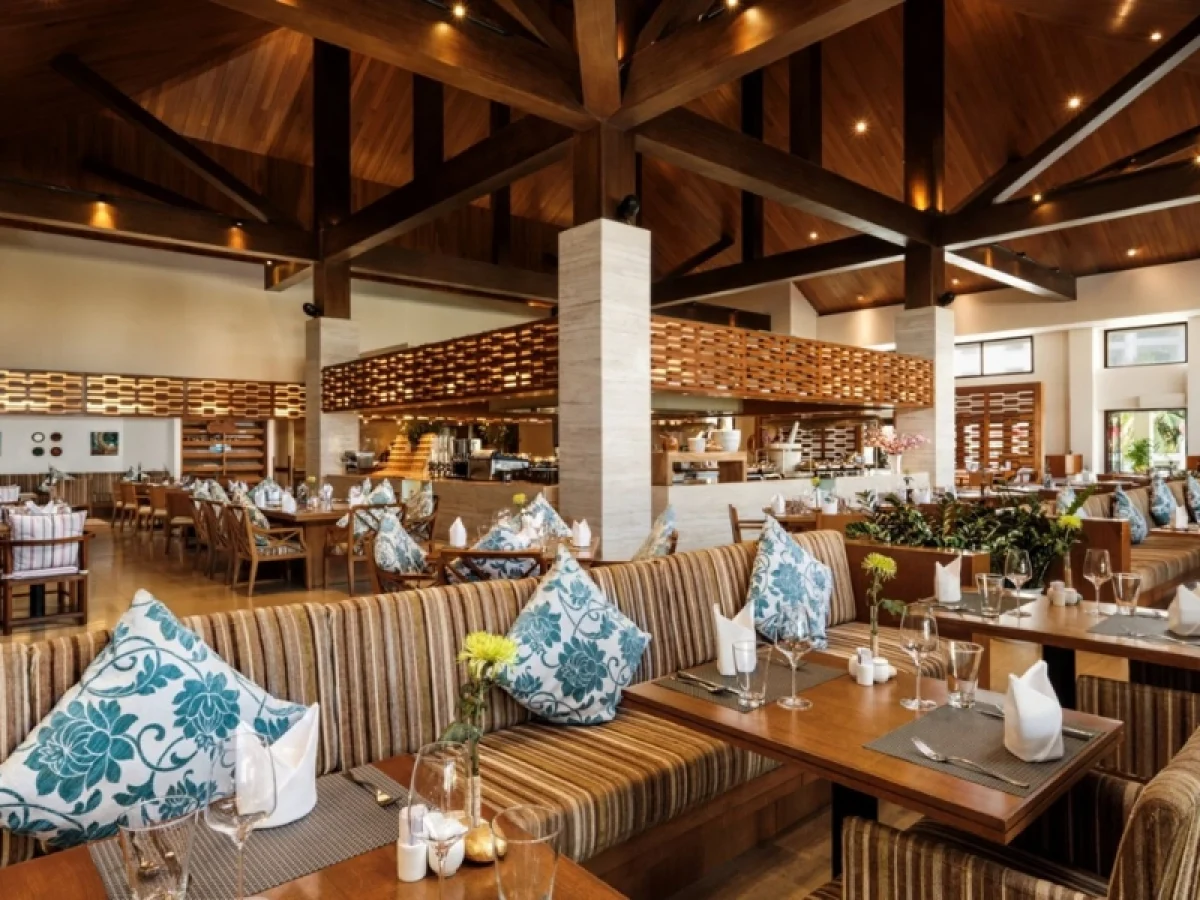
A new wave of fine dining Da Nang restaurants is taking this fresh catch and applying contemporary techniques. Imagine “Seafood Charcuterie,” mackerel cured with sea salt and local herbs, or scallops seared and served with a reduction of fermented fish sauce (Mam Nem). This innovation is what keeps the Da Nang food scene at the forefront of the global culinary map. It’s a sophisticated blend of contemporary Vietnamese dining that respects the raw ingredient while pushing the boundaries of flavor. These establishments are the cathedrals of the coast, where the “Flavor of the Sun” is concentrated into every exquisite bite.
The Plant-Based Revolution: Vegan and Organic Dining in 2026
One of the most surprising evolutions of the 2026 Da Nang food scene is the explosion of high-end plant-based Da Nang options. Influenced by the city’s deep-rooted Buddhist traditions and the modern shift toward health-conscious living, veganism has moved from a religious practice to a lifestyle choice for the elite and the conscious traveler.
From Farm-to-Table Restaurants to Healing Plates
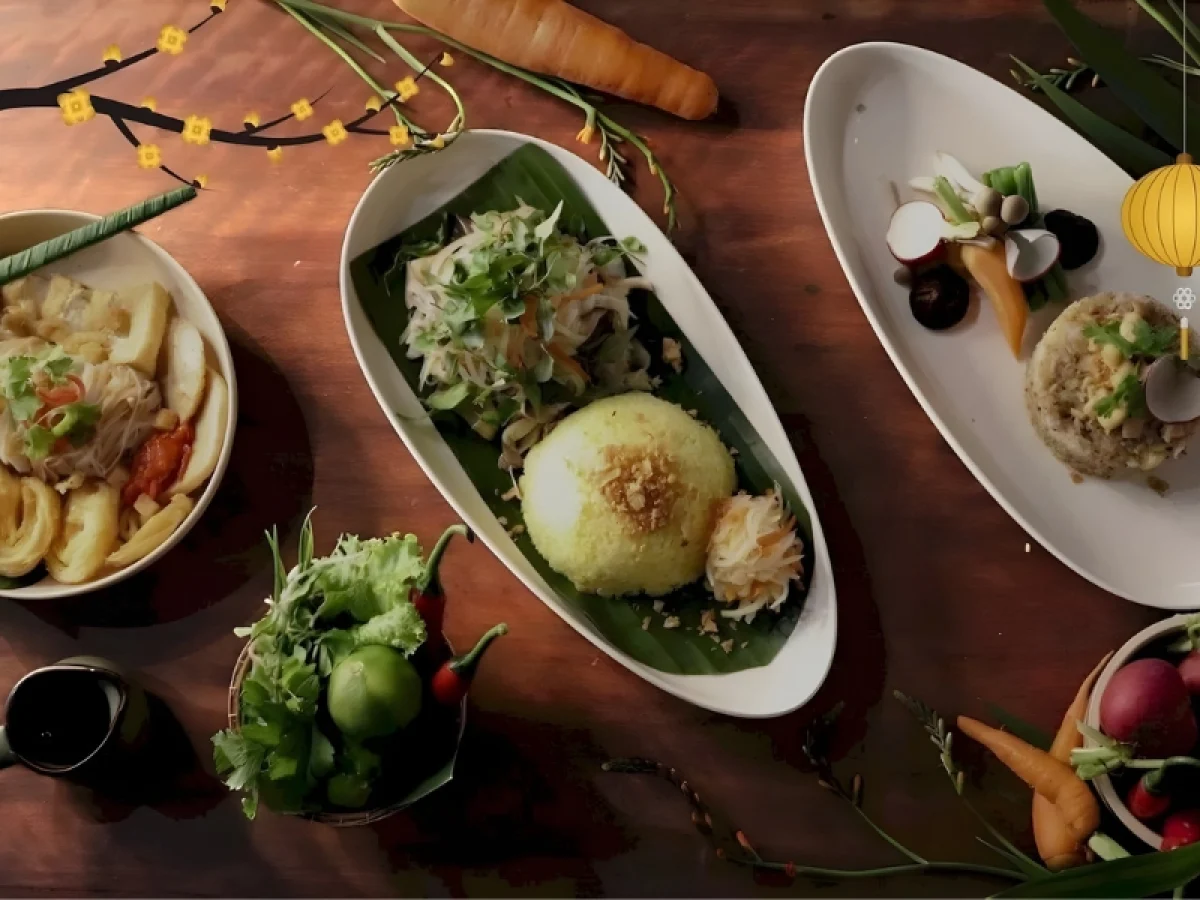
The connection between organic farming in Da Nang and the city’s kitchens has never been stronger. Leading farm-to-table restaurants are now serving “healing plates,” dishes designed not just for hunger but for vitality. Think of “Mountain Carpaccio” made from salt-baked beets or “Forest Risotto” using wild mushrooms and heirloom mountain rice. These dishes utilize the indigenous wisdom of herbal medicine, incorporating ginger, turmeric, and forest leaves to create a meal that nourishes the body and the soul. By sourcing directly from organic farming Da Nang collectives, these chefs ensure that no chemical footprint mars the purity of the produce.
The Zen of Vegan Travel Vietnam
Da Nang has become the undisputed hub for vegan travel in Vietnam. The city’s “Zen Cafés” offer more than just food; they offer a sanctuary. Here, the culinary heritage of temple food is reimagined with global influences. A traditional “Chay” meal of tofu and seasonal vegetables is elevated with sourdough fermented in-house and kombucha brewed with local teas. This is mindful luxury in a bowl, simple, profound, and deeply satisfying. Travelers on a vegan travel Vietnam itinerary will find that Da Nang offers a level of plant-based sophistication that rivals major global capitals.
Han River Night Markets: A Sensory Explosion of Street Food Soul
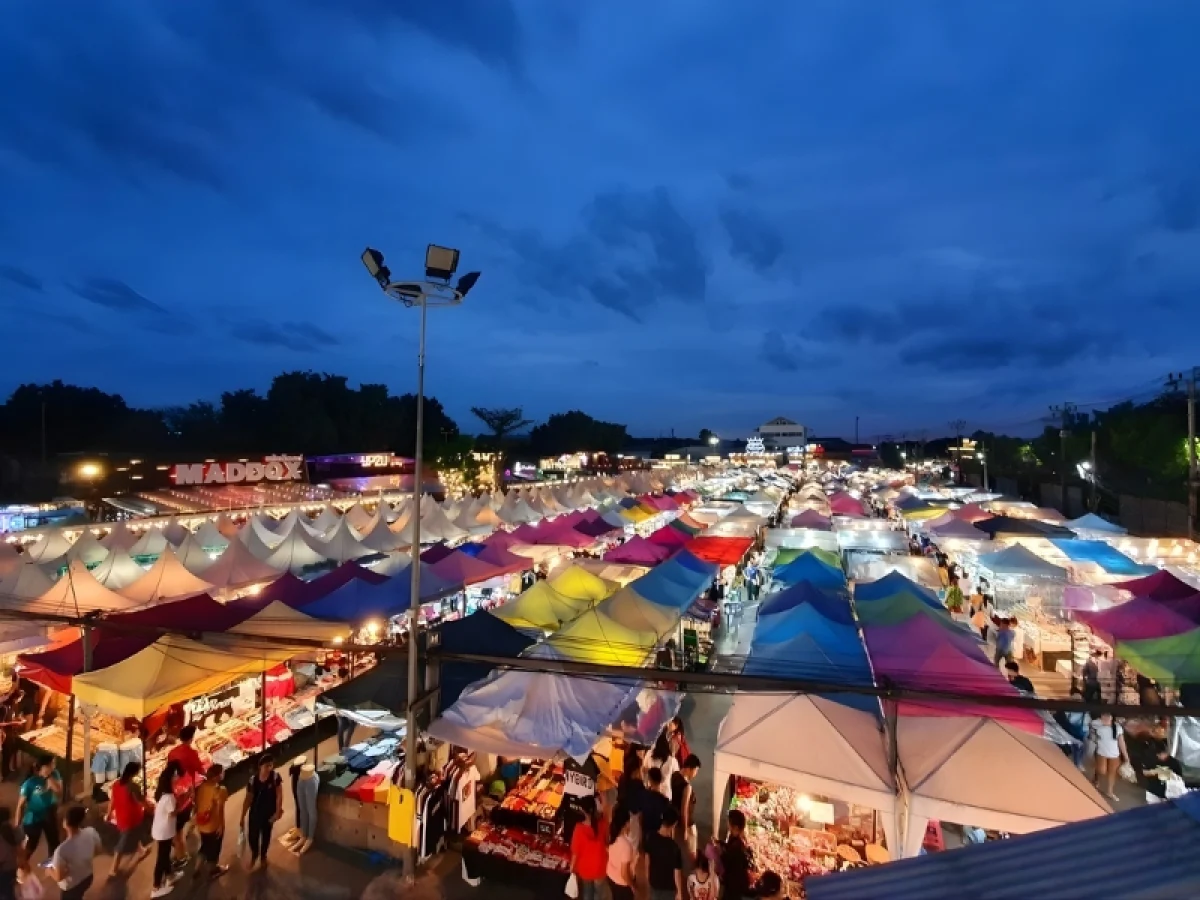
As the sun sets and the bridges begin their light show, the Han River night market becomes the epicenter of the Da Nang food scene. In 2026, these markets have been redesigned to be “eco-boutique” spaces—cleaner, plastic-free, and curated to showcase the best of the Da Nang street food tour culture while maintaining strict Da Nang food safety standards.
The Theater of the Street
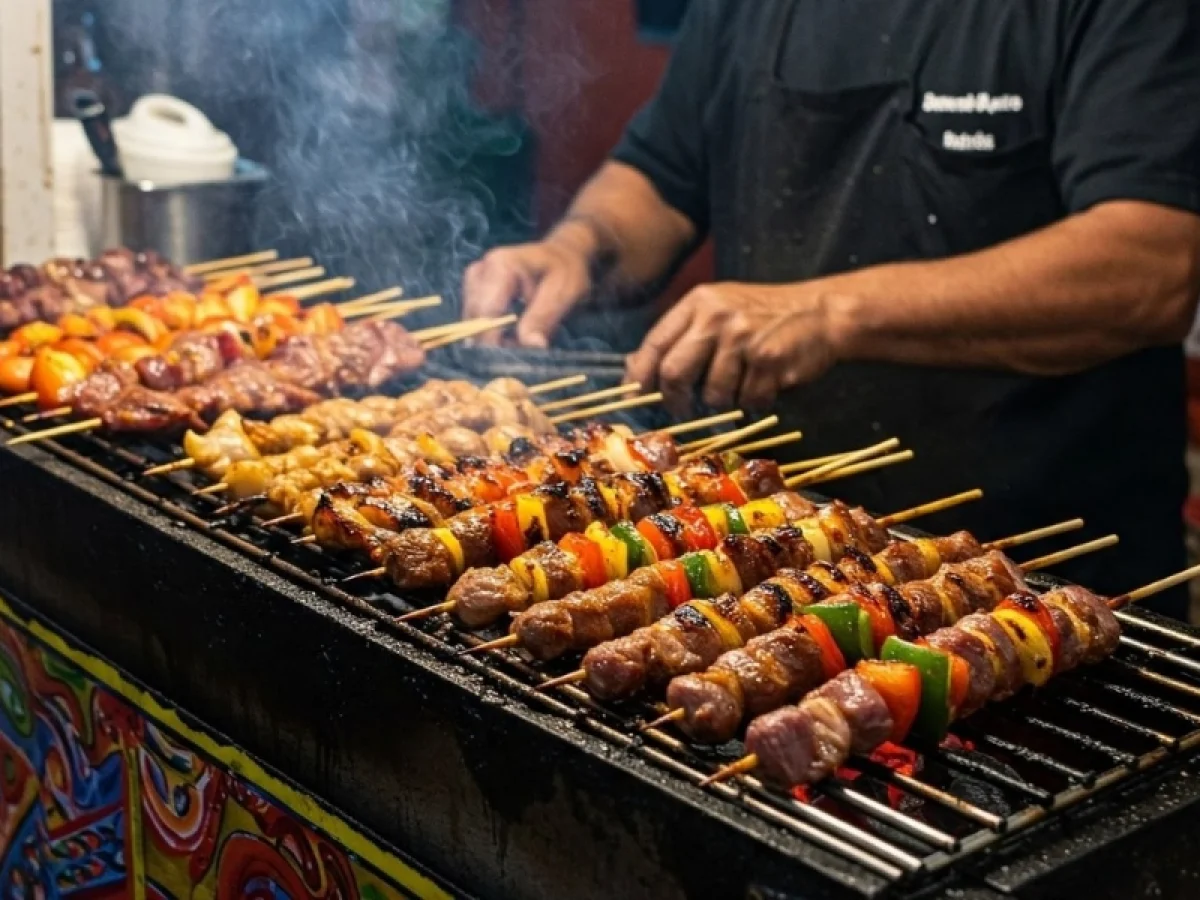
The smoke from the charcoal grills carries the scent of “Thit Nuong” (grilled pork) marinated in lemongrass and five-spice. In 2026, street food is a performance. You can watch artisans hand-roll Banh Trang Cuon Thit Heo (pork rolls in rice paper) with the speed of a magician, ensuring every roll contains the perfect balance of herbs, green bananas, and succulent pork. The essential accompaniment, fermented fish sauce (Mam Nem), is the star here, a pungent, complex sauce that is the “umami bomb” of central Vietnam. No street food tour in Da Nang is complete without experiencing the punchy, fermented depth of a masterfully crafted Mam Nem.
Beyond the Classics: The New Street Innovation
The Han River night market is also a laboratory for new flavors. In 2026, keep an eye out for “Fusion Tacos” using rice paper shells or “Seafood Skewers” glazed with a spicy passion fruit reduction. This is where the Da Nang food scene stays young and experimental. Despite the innovation, food safety in Da Nang protocols is strictly enforced, with every vendor undergoing regular health certifications. It is a space of high energy, bright lights, and the undeniable joy of eating with the community under the stars.
The Craft of the Sip: From Phin Coffee to Local Craft Brews
A gastronomic journey is incomplete without the “Sip.” In 2026, Da Nang’s beverage culture has undergone its own craft revolution, blending the old-world coffee culture in Da Nang is famous for with a new, rebellious spirit of fermentation.
The Evolution of the Phin

While the traditional Phin coffee remains a morning ritual, the Da Nang food scene now embraces “Specialty Robusta.” Local roasters are working directly with farmers in the highlands to produce beans with notes of chocolate and spice, moving away from the overly bitter roasts of the past. The “Salt Coffee” (Ca Phe Muoi) and “Coconut Coffee” remain icons, but in 2026, they are made with house-made sea salt cream and fresh organic coconut milk. This elevated coffee culture in Da Nang provides a sophisticated caffeine kick that fuels the city’s creative class and digital nomads.
Craft Beer Vietnam: The Coastal Influence
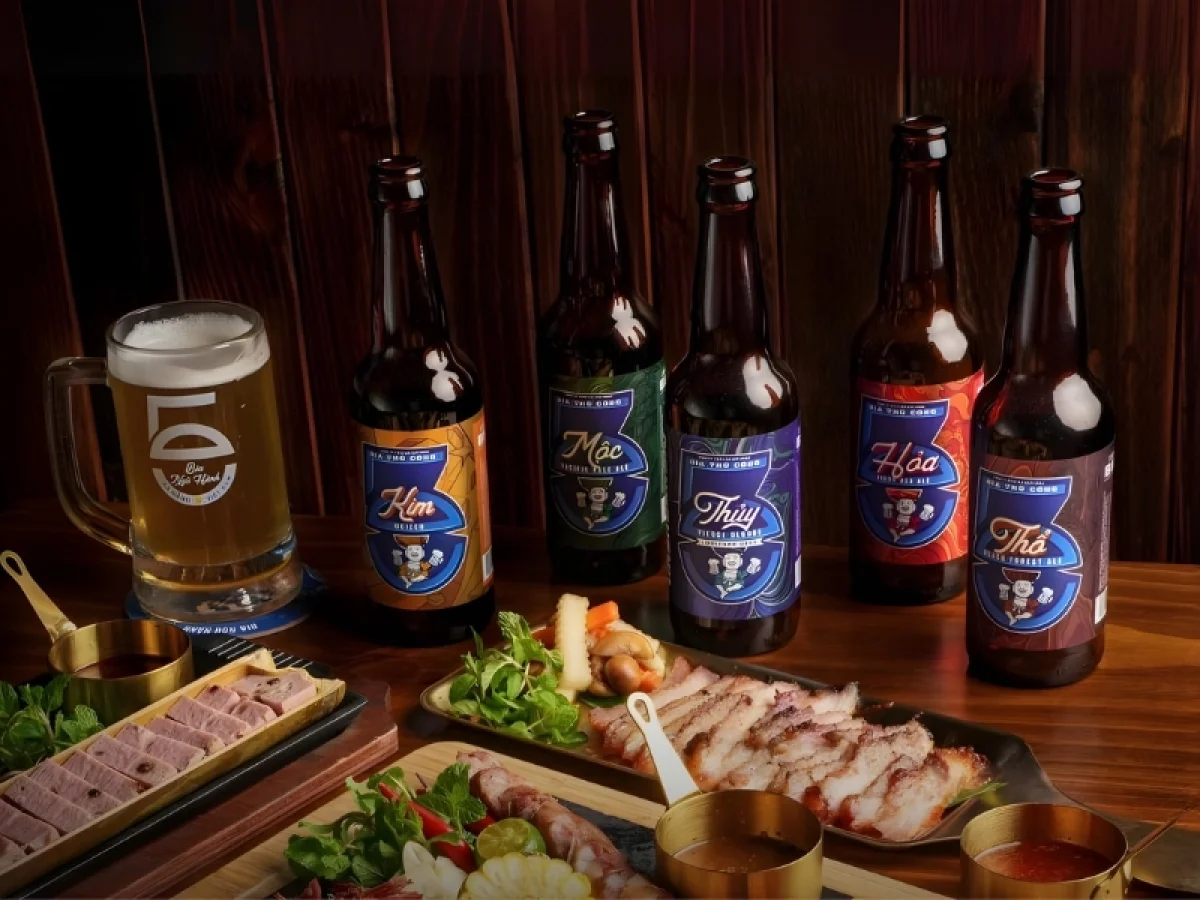
The city’s craft beer scene has matured into a world-class industry. Craft beer in Vietnam is now synonymous with coastal experimentation. Local breweries are infusing their ales and IPAs with the “Flavor of the Sun” by using dragon fruit, lemongrass, and even a hint of sea salt in their brews. These taprooms, often located in converted villas near the beach, serve as the perfect “third space” for social connection. It is a toast to the city’s creativity and its ability to take a global concept and make it purely “Da Nang,” using ingredients sourced from organic farms in Da Nang to create a truly local pint.
Local Food Markets: The Beating Heart of the Neighborhood
To see the Da Nang food scene in its rawest, most energetic form, one must visit the local food markets. In 2026, markets like Cho Con and Cho Han have been preserved as heritage sites, avoiding the sterile “mall-ification” seen in other cities.
Morning Rituals and Fresh Catch
At 5:30 AM, these markets are a whirlwind of activity. This is where the sustainable seafood in Da Nang first touches land. Professional chefs and home cooks alike haggle over the freshest mackerel, blue crabs, and squid. The produce sections are a riot of color, featuring exotic fruits and vegetables grown through organic farming Da Nang techniques in the surrounding countryside. Walking through these aisles is an education in central Vietnamese cuisine, as you see the raw components, which are the herbs, the chilies, and the rice papers, before they are transformed into the dishes you love.
The Culinary Heritage of Market Dining
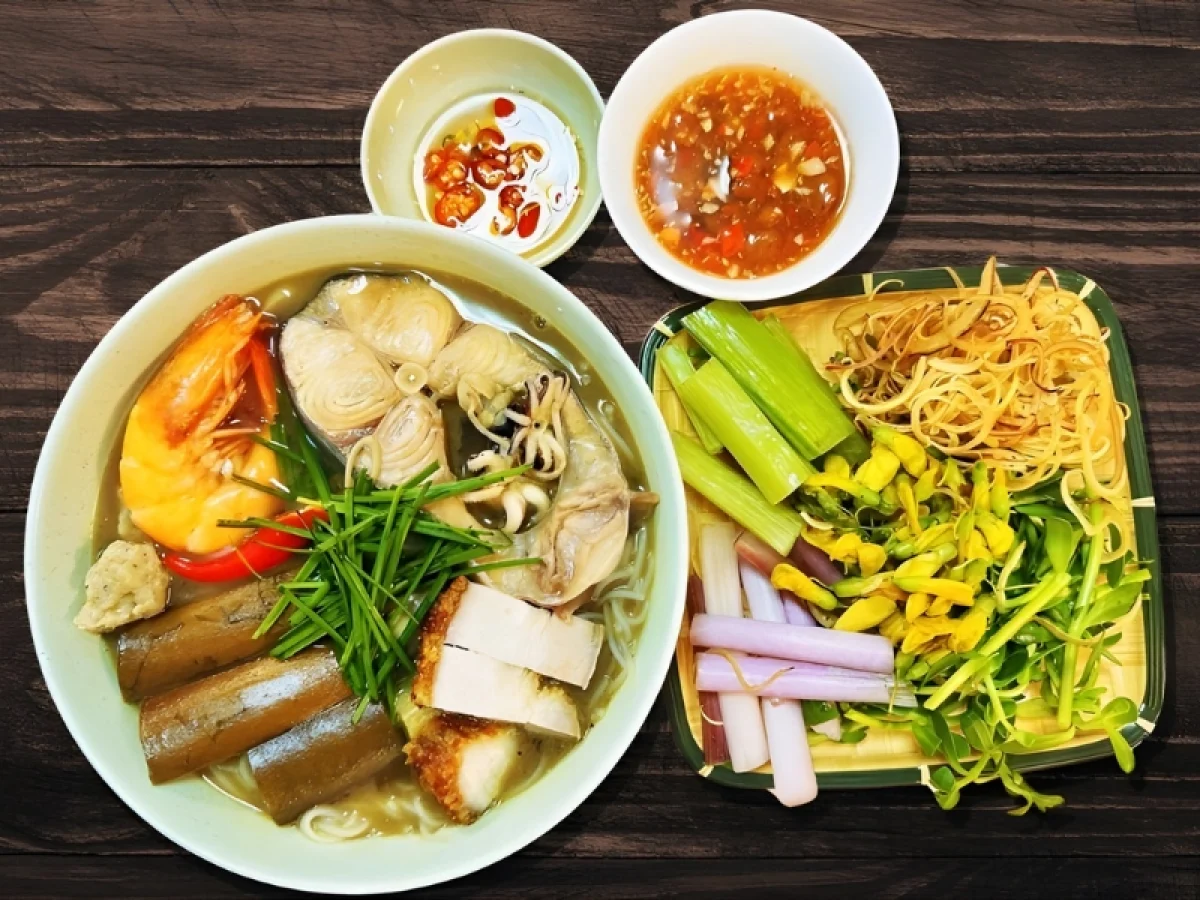
The “food courts” within these local food markets are legendary. In 2026, they remain the best places to find traditional Vietnamese recipes executed with speed and soul. From Banh Xeo (savory pancakes) sizzling on hot pans to Bun Mam (fermented noodle soup) steaming in large pots, the market is a 360-degree sensory experience. These stalls are often run by families who have held the same spot for three generations, acting as the living custodians of the city’s culinary heritage.
The Science of Flavor: Contemporary Vietnamese Dining in the Urban Core
As the city grows, so does the sophistication of its urban kitchens. Contemporary Vietnamese dining in 2026 is defined by a deep intellectual curiosity and a desire to deconstruct and rebuild the classics without losing their essence.
Deconstructing the Classics
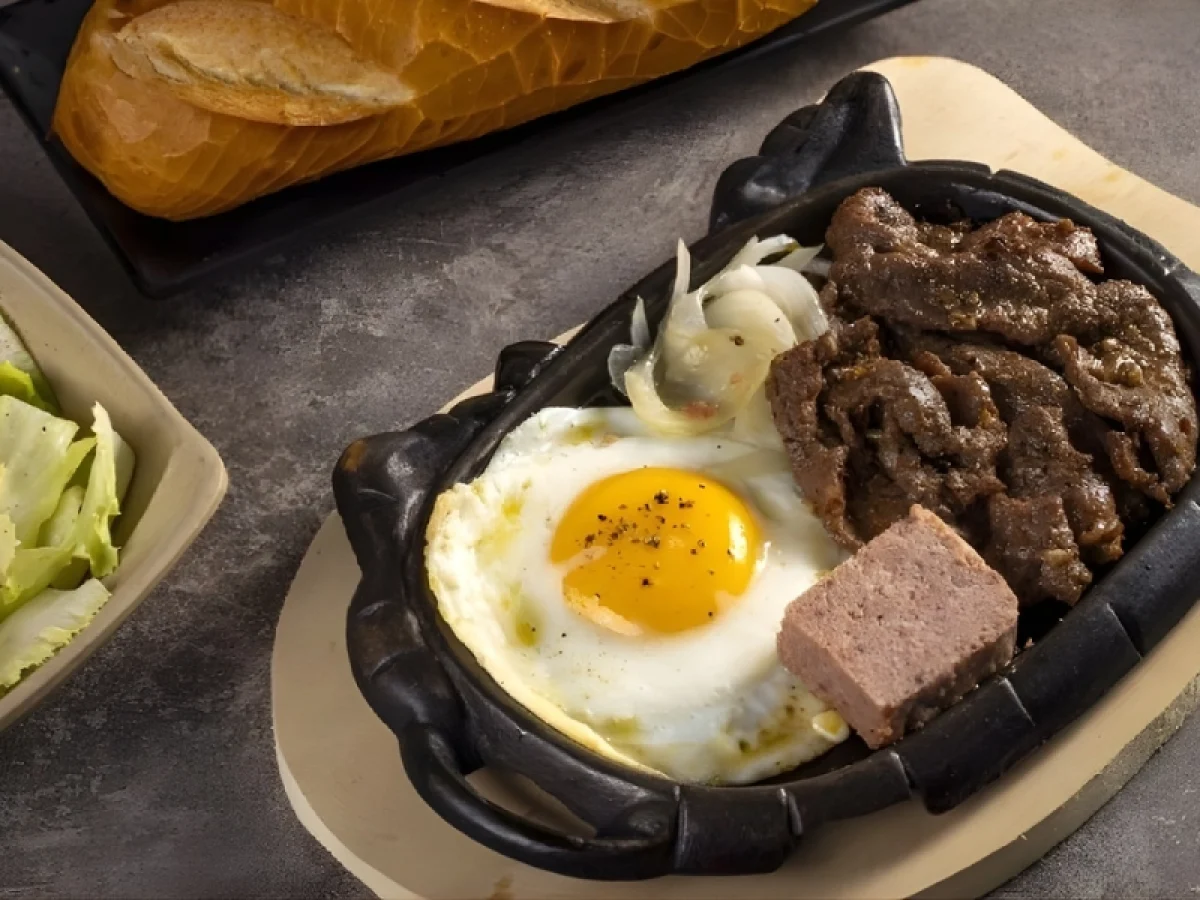
In the Hai Chau and Son Tra districts, a new generation of chefs is making waves. They might take the components of a Bo Ne (sizzling beef) and present it as a refined tartare with local herbs and a “deconstructed” egg yolk. This isn’t just about being “fancy”; it’s about highlighting the quality of the ingredients sourced through farm-to-table restaurant networks. This segment of the Da Nang food scene attracts a global audience of food critics and enthusiasts who are eager to see how Central Vietnamese cuisine can compete on the world stage.
The Fine Dining Da Nang Experience
At the pinnacle of the scene are the fine dining Da Nang establishments that offer multi-course tasting menus. These menus are often titled “The Journey of the Sun” or “Coastal Whispers,” guiding diners through a narrative of flavor. You might start with a delicate broth of forest mushrooms from the highlands and end with a dessert inspired by the sands of My Khe beach. Every dish is a testament to contemporary Vietnamese dining, where the presentation is architectural and the flavors are profound. It is here that the Da Nang food scene reaches its most poetic expression.
A Practical Guide: Navigating the Da Nang Food Scene in 2026
To eat well in Da Nang is to eat with intention. In 2026, the city offers more choices than ever, but quality remains the priority for the discerning traveler.
- Seek the Green Star: Look for the “Green Star” rating in windows. This indicates that the establishment has met the highest food safety standards in Da Nang and prioritizes sustainable seafood in Da Nang.
- Book Your Street Food Tour in Da Nang Early: The best guides, those who can take you to the hidden Mi Quang artisan shops and “secret” market stalls, are often booked out weeks in advance. A street food tour in Da Nang is the best way to bypass the tourist traps.
- Respect the Season: The Da Nang food scene is intensely seasonal. In the summer, focus on the “Blue Frontier” of seafood. In the cooler months, look for the hearty, warming soups and stews from the farm-to-table restaurants that source from the mountains.
- Embrace the Plant-Based Side: Even if you are not a vegan, dedicate at least one day to plant-based Da Nang dining. The creativity in these kitchens is currently some of the most exciting in the city.
- Water & Waste: Most establishments are now plastic-free. Bring your own reusable bottle; Da Nang has numerous “Water Refill Stations” to support the environmental city of Da Nang initiative.
Frequently Asked Questions About Da Nang Food Scene
- What makes the 2026 Da Nang food scene different from other cities in Vietnam?
It is the balance of three things: the raw power of the sustainable seafood in Da Nang, the unique spice profile of central Vietnamese cuisine, and the city’s aggressive push toward food safety in Da Nang and environmental sustainability.
- Where can I find the best Mi Quang artisan?
While the Hai Chau district is the traditional heart, some of the most innovative Mi Quang artisan bowls are now found in the suburban “Creative Zones” near the university districts, where chefs are experimenting with heirloom grains.
- Is “Mam Nem” too strong for international palates?
It is an acquired taste, but in 2026, many contemporary Vietnamese dining spots serve a “refined” version that is balanced with pineapple and chili, making it much more approachable for first-timers.
- How do I know if the seafood I’m eating is really sustainable?
Only dine at restaurants that can provide a “traceability scan.” The sustainable seafood in Da Nang movement is built on transparency; if they can’t tell you where the fish came from, it’s likely not sustainable.
The Eternal Banquet of the Coast
As you sit by the Han River, watching the city lights shimmer on the water while savoring the last bite of a spicy, savory roll, you realize that the Da Nang food scene is more than just sustenance. It is a dialogue between the past and the future. It is the “Ancient Hands” that ferment the sauce and the “Modern Soul” that plates the seafood with architectural precision.
By choosing sustainable seafood in Da Nang and supporting farm-to-table restaurants, you are participating in the city’s radiant future. The “Flavor of the Sun” is a reminder that the best things in life are those that are grown with care, prepared with love, and shared with the community. In Da Nang, every meal is an invitation to celebrate the radiant pulse of life itself, a banquet that never truly ends but only grows more flavorful with every passing year.

Comment (0)