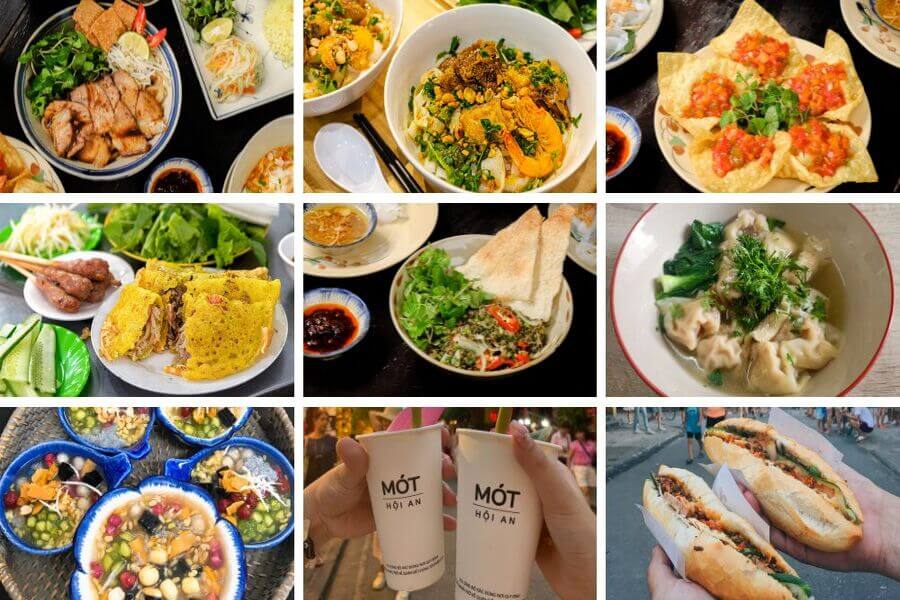
Walking through the lantern-lit streets of Hoi An is not only a visual experience but also a culinary adventure. The aroma of grilled meat, simmering broths, and freshly baked bread drifts through narrow alleys, inviting travellers to explore the vibrant world of Hoi An street food—an experience often included in extended Danang Tours that connect visitors to nearby cultural gems like Hoi An.
Unlike formal restaurants, street food stalls reveal the authentic heartbeat of the city. Here, recipes are often passed down through generations, ingredients are sourced fresh from local markets, and meals are prepared right in front of curious visitors.
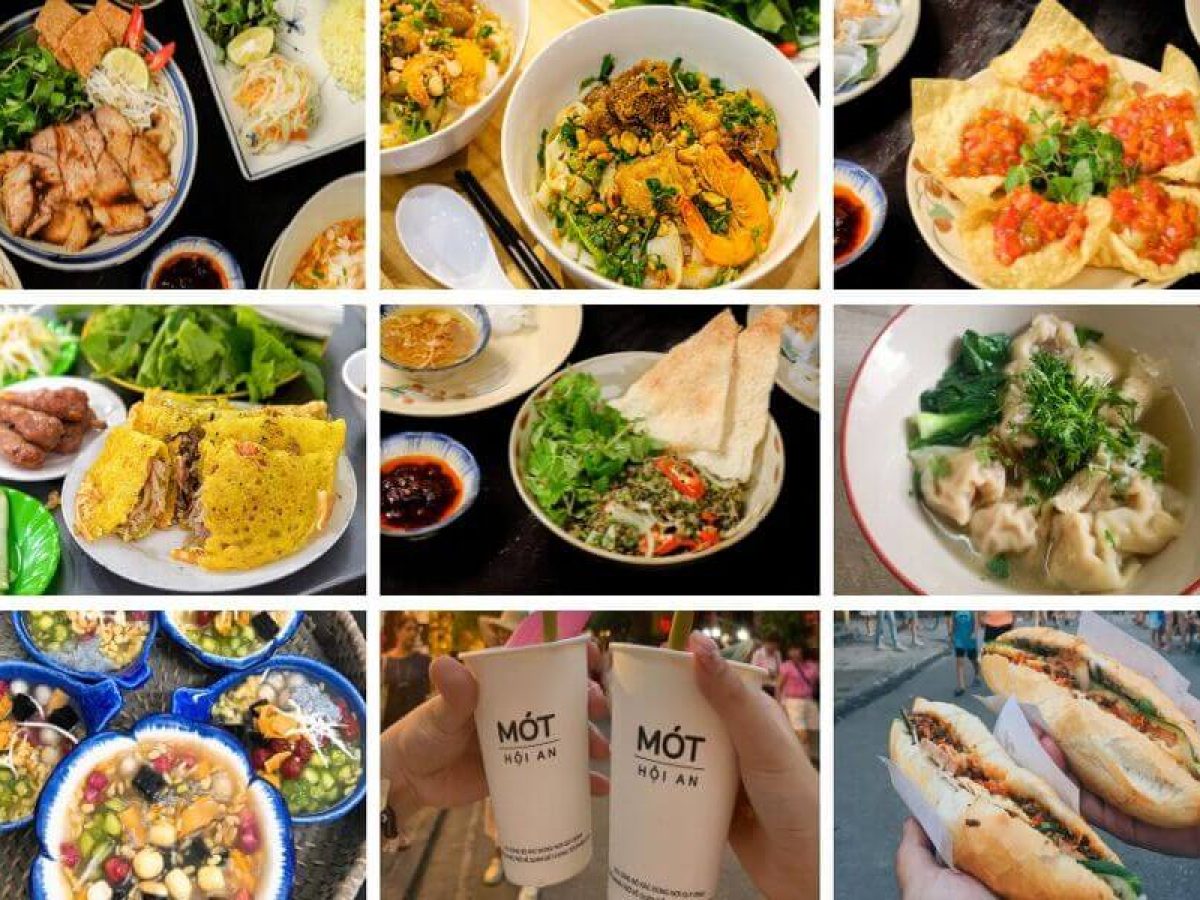
For many travellers, tasting street food in Hoi An becomes one of the most memorable parts of visiting this ancient town. From famous noodle dishes to delicate dumplings and legendary sandwiches, the variety of local food in Hoi An reflects centuries of cultural influence and culinary creativity.
This guide explores the food culture behind Hoi An street food, introduces some of the must-try dishes in Hoi An, and helps travellers discover where to find the most authentic flavours in the city.
The Food Culture of Hoi An
A Historic Trading Port Influencing Local Cuisine
The rich flavors of Hoi An streetfood are deeply connected to the town’s history as an international trading port. Between the 16th and 18th centuries, merchants from China, Japan, and Europe regularly arrived in Hoi An to trade silk, ceramics, spices, and other valuable goods.
These traders did not only bring merchandise; they also introduced culinary ideas and cooking techniques. Over time, these influences blended with traditional Vietnamese cooking methods, creating a distinctive style of Hoi An traditional food.
For example, Chinese noodle traditions helped shape dishes like Cao Lau, while Japanese influences can be seen in certain dumpling preparations. Local cooks gradually adapted these ideas using Vietnamese ingredients, creating dishes that are now considered Hoi An’s specialties.
Today, the diversity of famous food in Hoi An reflects this fascinating history of cultural exchange.
Fresh Ingredients and Traditional Cooking
Another reason why street food in Hoi An stands out is the focus on fresh ingredients. Many vendors buy vegetables, herbs, and seafood from nearby markets early in the morning.
Herbs such as mint, basil, coriander, and perilla leaves are commonly served alongside many dishes. These fresh greens add layers of flavor and fragrance that define Hoi An traditional food.
Cooking methods are also carefully preserved. Instead of relying on modern shortcuts, many cooks still follow traditional techniques such as slow-simmering broth, charcoal grilling, or hand-preparing noodles.
This dedication to authenticity ensures that every bowl of noodles or plate of dumplings truly represents the spirit of local food in Hoi An.
Street Food as Part of Daily Life
For residents, Hoi An streetfood is not simply something for tourists. It is part of everyday life.
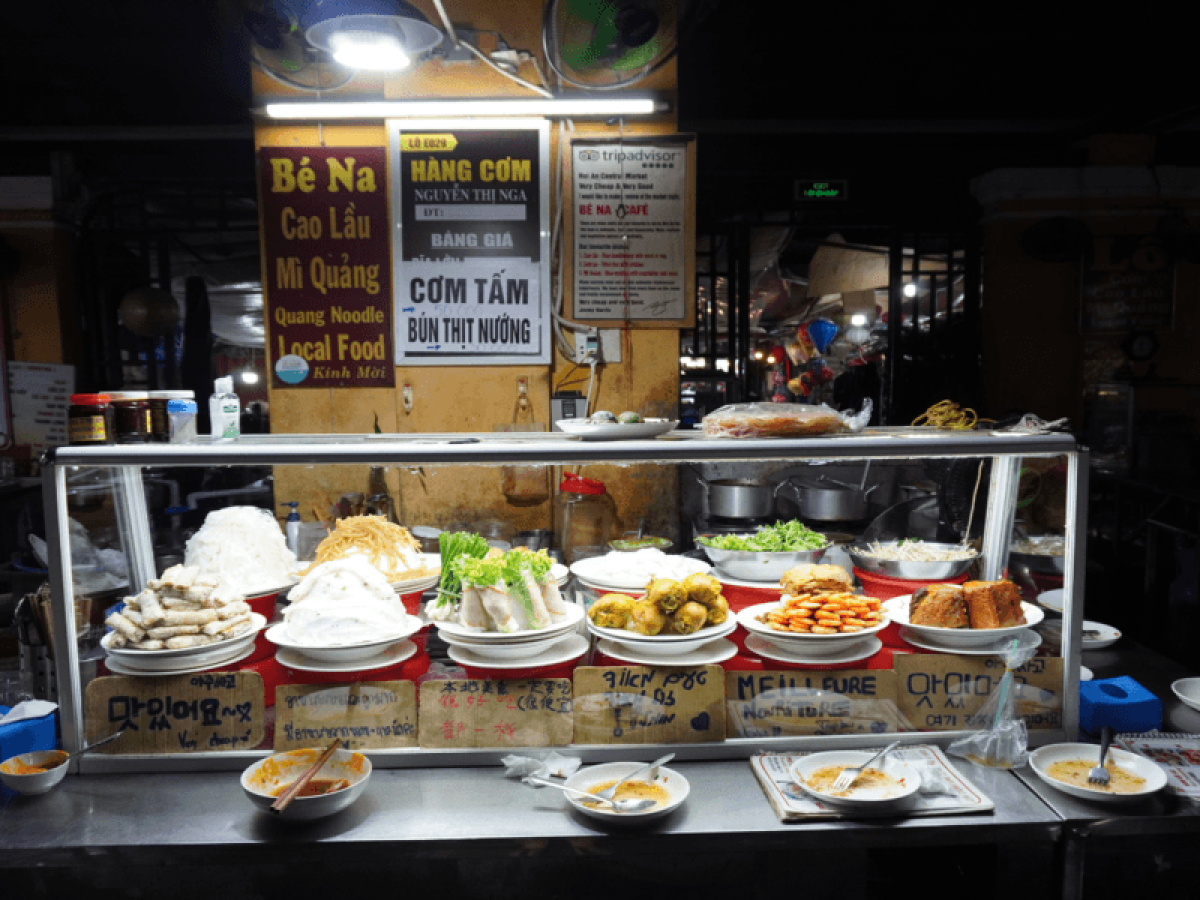
Early in the morning, vendors set up small stalls selling noodles and breakfast dishes. By afternoon and evening, the streets fill with carts offering grilled skewers, dumplings, and fresh sandwiches.
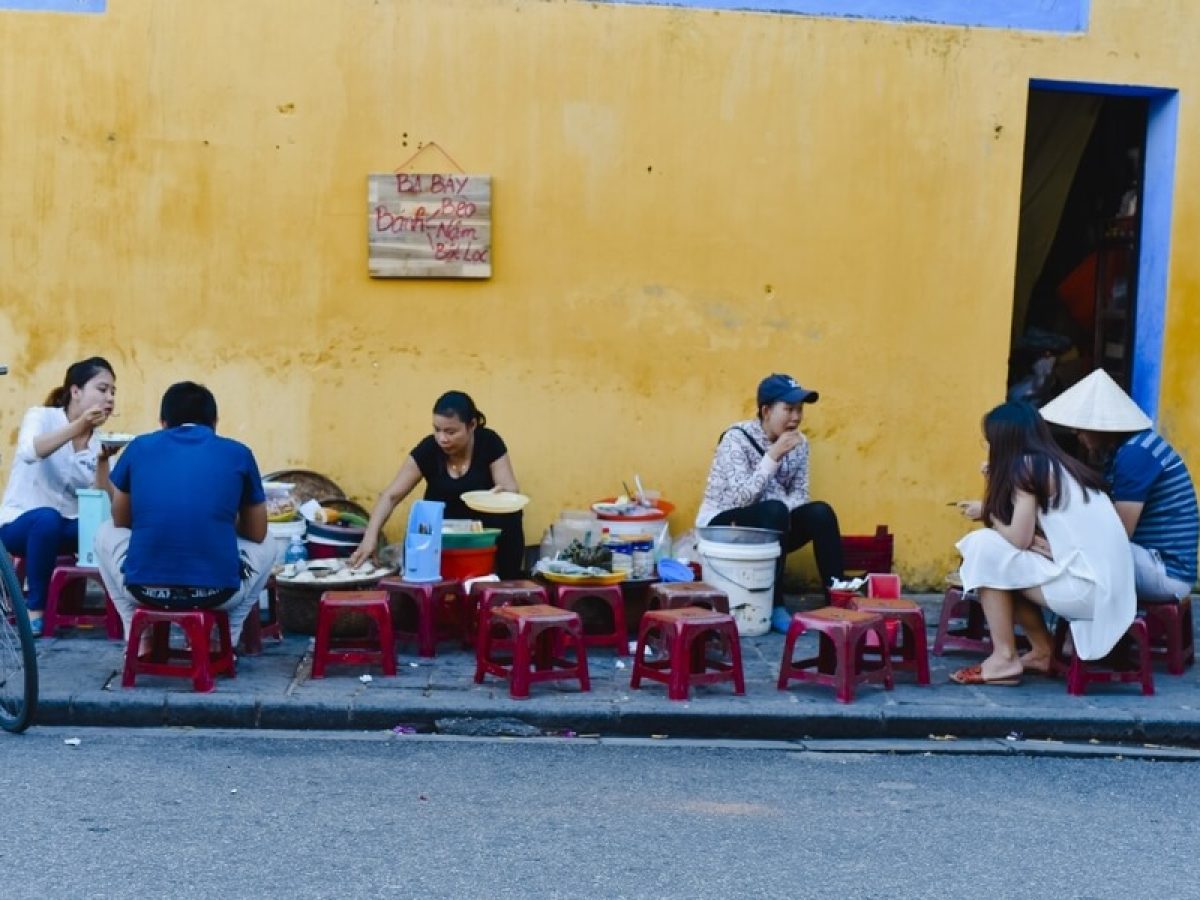
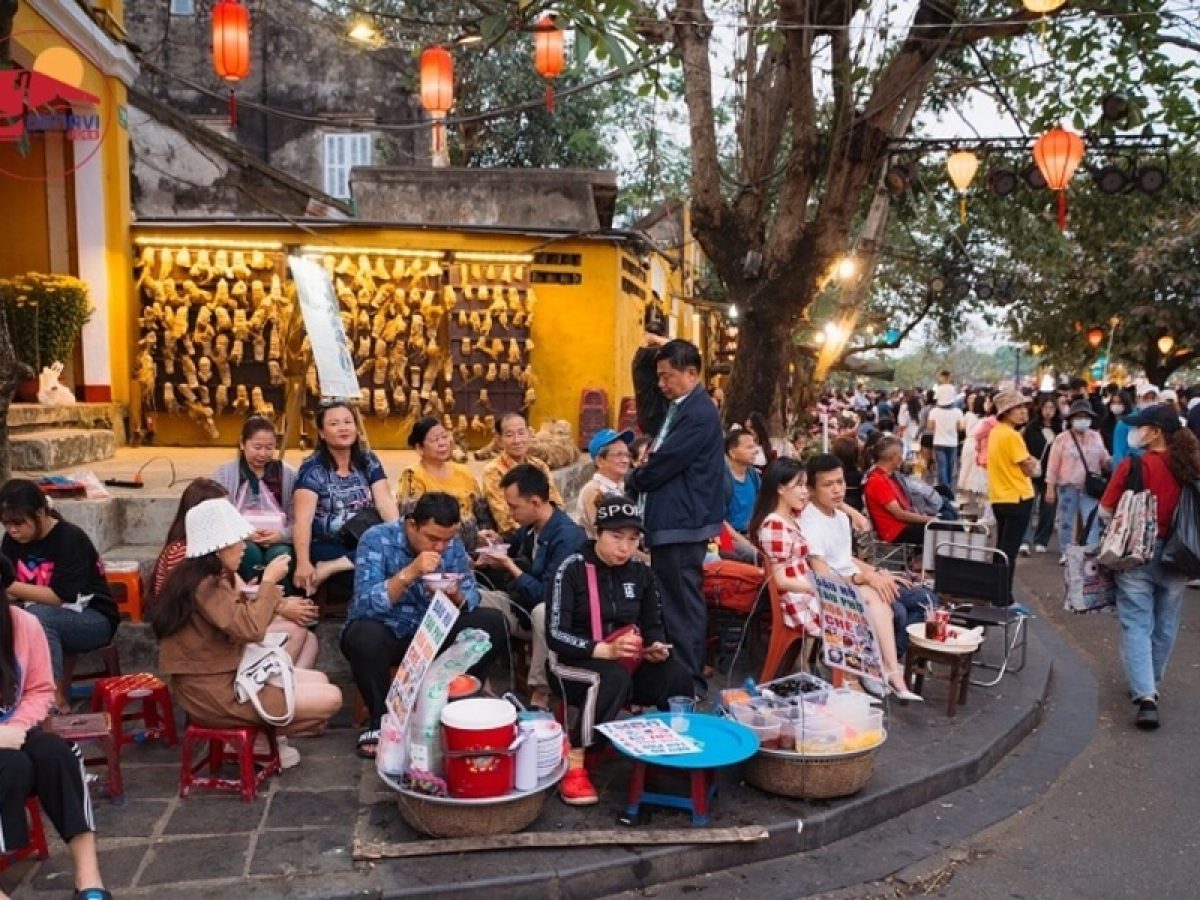
Locals often gather around small plastic tables to enjoy quick meals, chat with friends, or relax after work. These informal dining spots create a friendly and lively atmosphere that reflects the community spirit of the town.
Because of this daily rhythm, exploring street food in Hoi An allows travelers to observe not only the flavors but also the lifestyle of the people who live there.
Must-Try Dishes in Hoi An Streetfood
Cao Lau
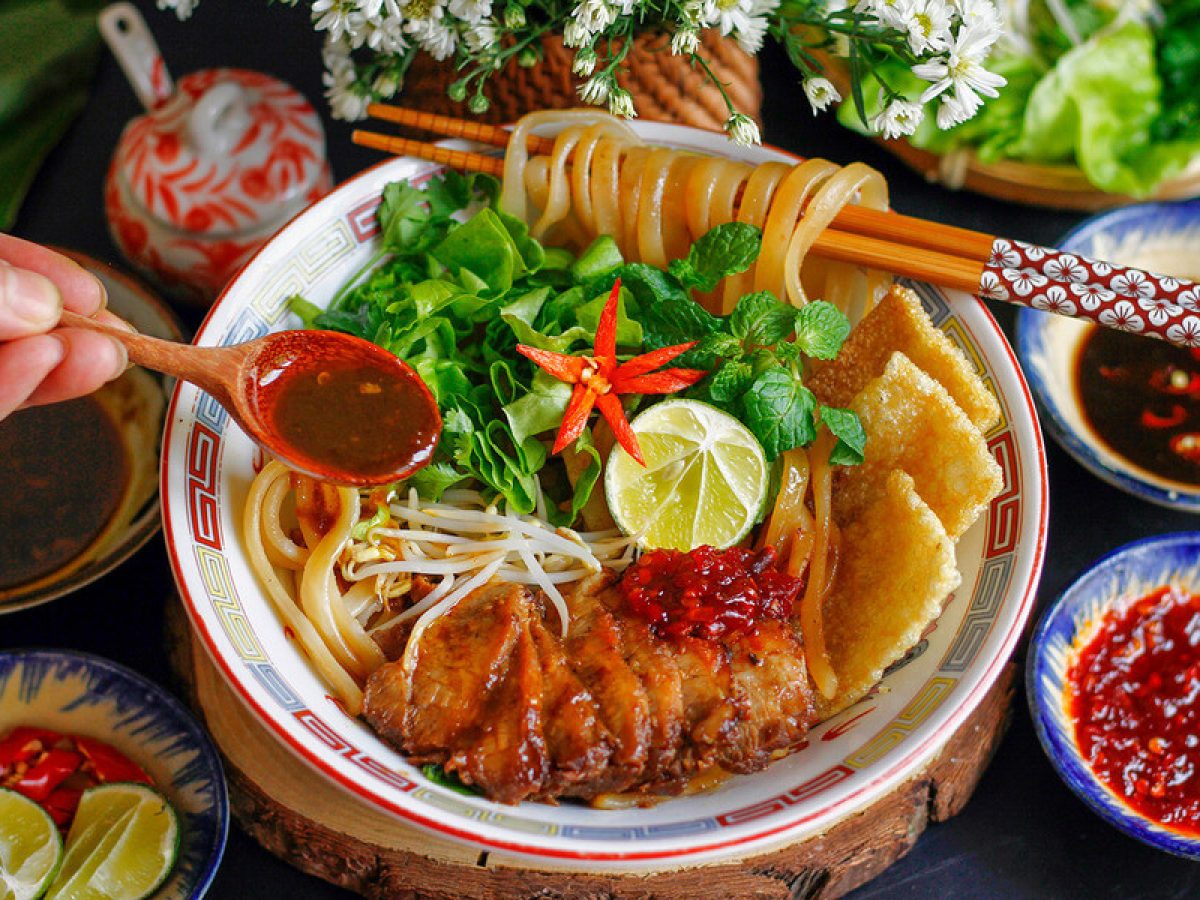
Among all the must-try dishes in Hoi An, Cao Lau is perhaps the most iconic. This noodle dish is considered one of the true Hoi An’s specialties and cannot be easily replicated elsewhere.
Cao Lau features thick, chewy noodles served with slices of marinated pork, fresh herbs, bean sprouts, and crispy croutons made from fried rice crackers. Unlike many Vietnamese noodle soups, Cao Lau contains only a small amount of broth, allowing the flavors of the ingredients to stand out.
The noodles themselves are believed to be prepared using water from ancient wells in Hoi An, which contributes to their unique texture.
Typical Price
A bowl of Cao Lau usually costs between 30,000 VND and 50,000 VND (approximately $1.20–$2), making it an affordable and satisfying street meal.
Best Places to Try Cao Lau
Travelers looking for authentic Cao Lau often visit:
- Cao Lau Ba Le
Address: 45/3 Tran Hung Dao Street, Hoi An, Quang Nam - Cao Lau Thanh
Address: 26 Thai Phien Street, Hoi An, Quang Nam - Hoi An Central Market Food Stalls
Address: 19 Tran Phu Street, Cam Chau Ward, Hoi An
These places are well known for serving some of the most authentic Hoi An traditional food in the city.
White Rose Dumplings
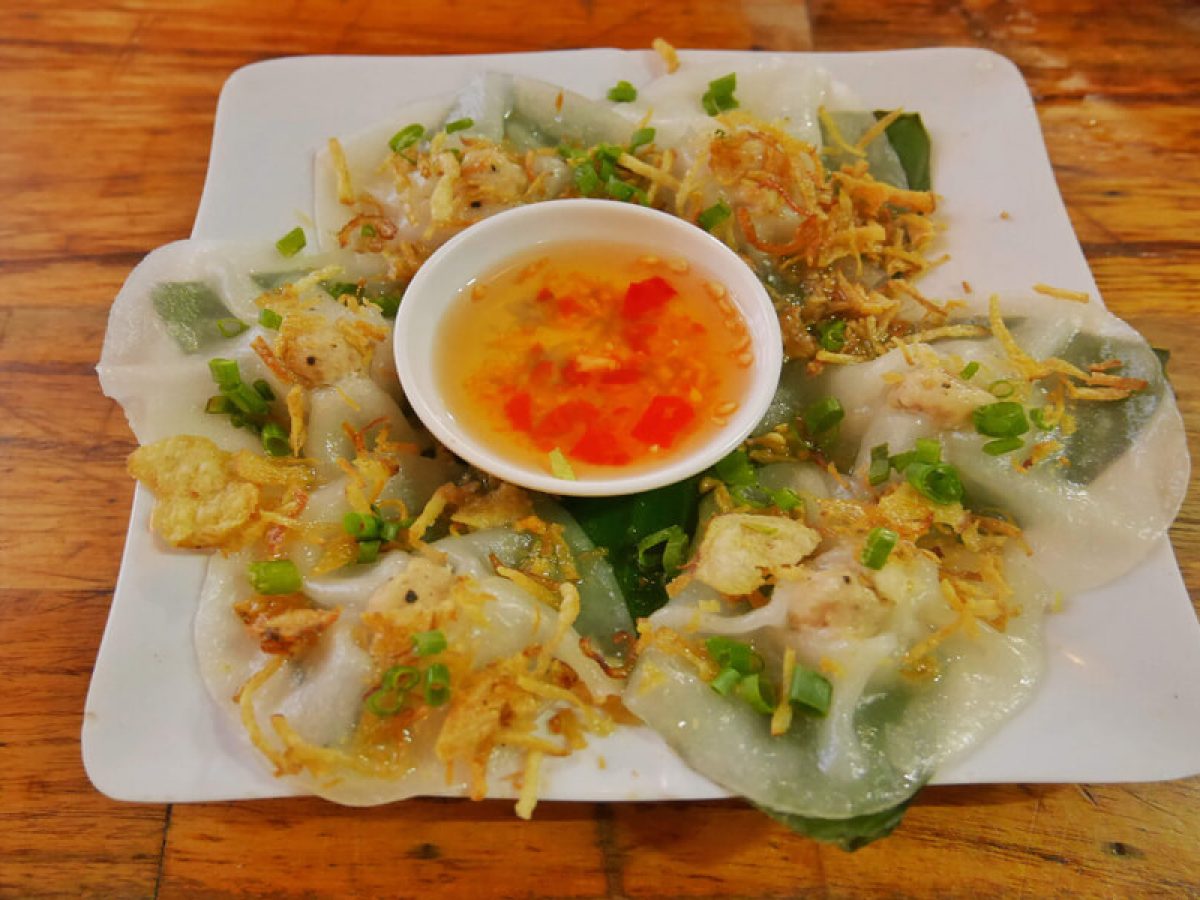
Another famous dish in Hoi An streetfood is White Rose Dumplings, locally known as banh bao banh vac. These delicate dumplings are instantly recognizable thanks to their thin, translucent wrappers shaped like blooming flowers.
The dumplings are typically filled with seasoned shrimp and topped with crispy fried shallots. They are served with a light dipping sauce that balances sweetness and acidity.
This elegant dish is considered one of the most distinctive examples of famous food in Hoi An.
Typical Price
A plate of White Rose Dumplings usually costs 50,000–70,000 VND depending on the portion size.
Where to Try White Rose Dumplings
Some well-known places include:
- White Rose Restaurant (Banh Bao Banh Vac)
Address: 533 Hai Ba Trung Street, Hoi An, Quang Nam - Hoi An Central Market
Address: 19 Tran Phu Street, Cam Chau Ward, Hoi An
These locations are famous for preserving the traditional recipe of this delicate dish.
Mi Quang
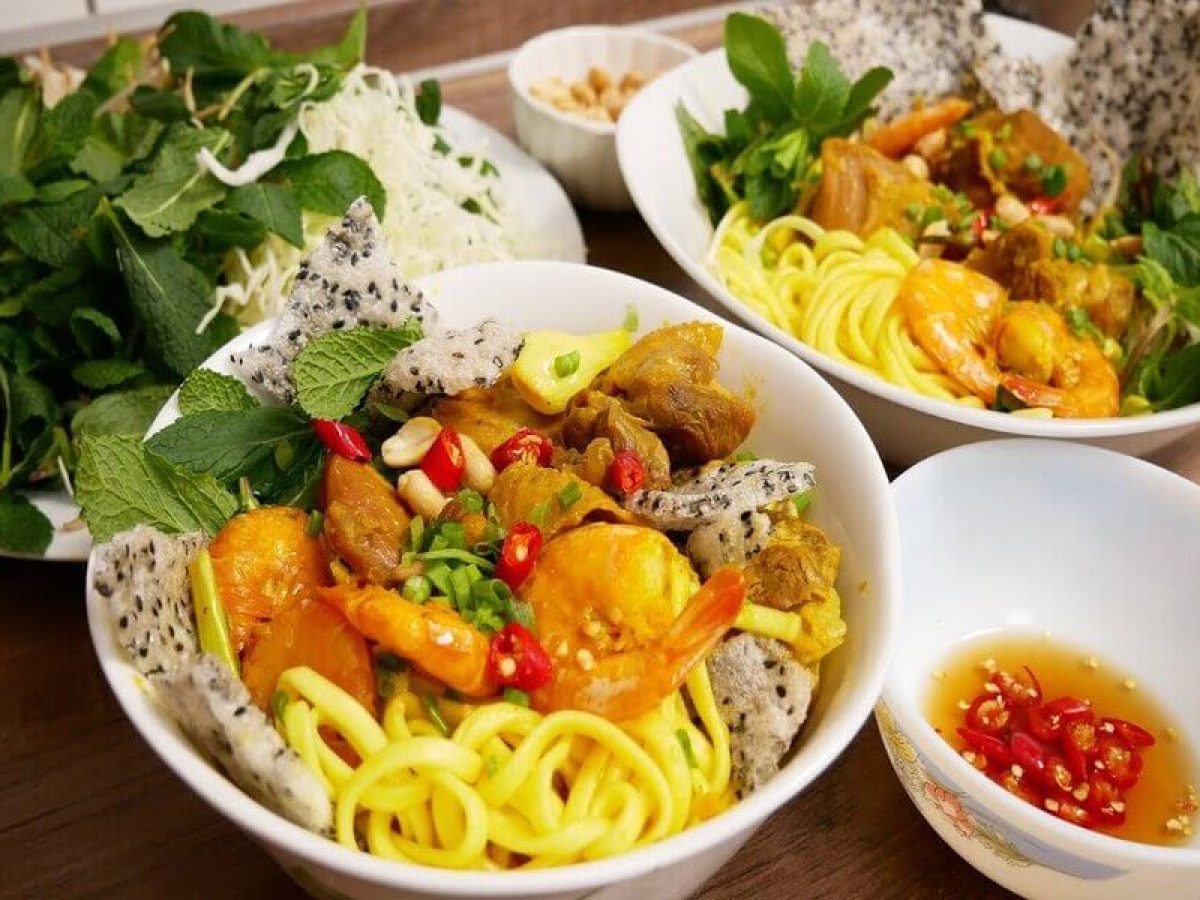
Mi Quang is another noodle dish widely loved across central Vietnam and a staple of local food in Hoi An.
This dish features turmeric-colored noodles served with a rich broth made from pork or shrimp. It is usually topped with roasted peanuts, boiled eggs, fresh herbs, and crispy rice crackers.
Unlike traditional noodle soups, Mi Quang contains only a small amount of broth, creating a flavorful balance between noodles, toppings, and herbs.
Typical Price
A bowl of Mi Quang typically costs 30,000–45,000 VND, making it one of the most affordable must-try dishes in Hoi An.
Where to Try Mi Quang
Popular locations include:
- Mi Quang Ong Hai
Address: 6A Truong Minh Hung Street, Hoi An, Quang Nam - Mi Quang Ba Minh
Address: Cam Ha Ward, Hoi An, Quang Nam - Hoi An Market Food Area
Address: 19 Tran Phu Street, Hoi An
These small eateries are well known for serving authentic bowls of this classic local food in Hoi An.
Banh Mi in Hoi An
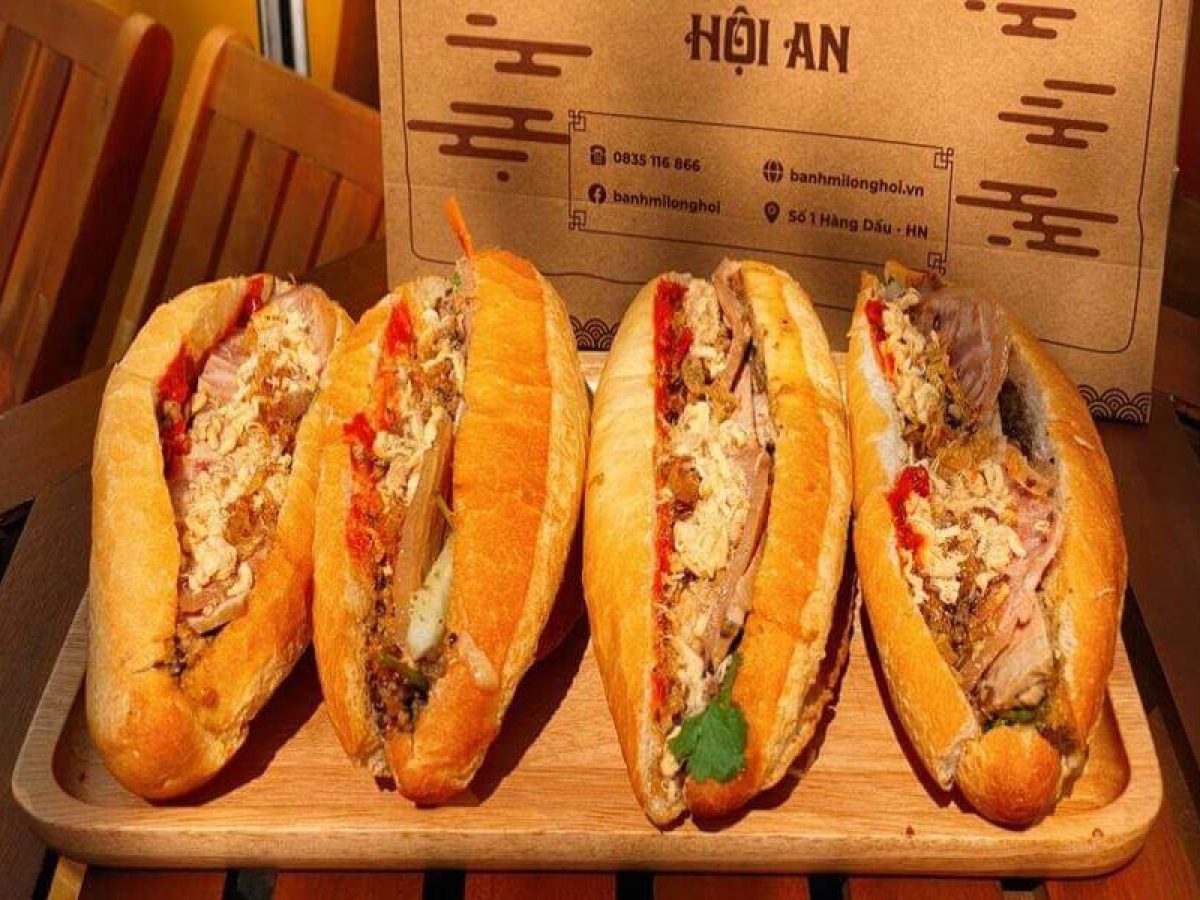
Vietnamese banh mi is famous around the world, but many travelers believe the best version can be found in Hoi An.
A typical banh mi contains a crispy baguette filled with grilled meat, pate, pickled vegetables, herbs, and chili sauce. The combination of textures and flavors creates a perfect balance of savory, fresh, and spicy.
Because of its incredible flavor and convenience, banh mi has become one of the most popular Hoi An street food options for travelers exploring the city.
Typical Price
A banh mi usually costs between 20,000 and 35,000 VND, making it a quick and affordable meal.
Best Places to Try Banh Mi
Some legendary spots include:
- Banh Mi Phuong
Address: 2B Phan Chu Trinh Street, Hoi An, Quang Nam - Madam Khanh – The Banh Mi Queen
Address: 115 Tran Cao Van Street, Hoi An, Quang Nam
Both places are internationally recognized and often recommended as must-visit spots when exploring Hoi An streetfood.
Where to Find the Best Hoi An Streetfood
Street Food Stalls in the Ancient Town
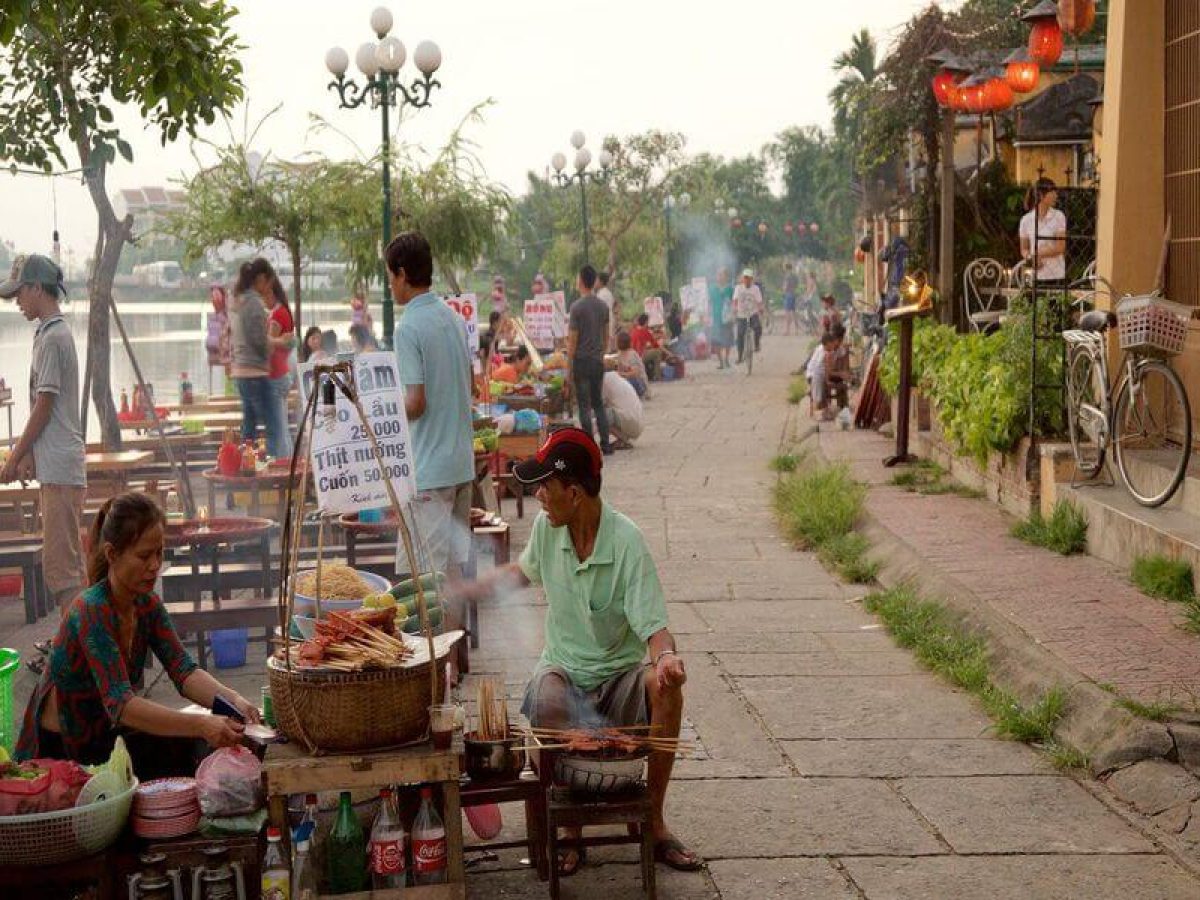
The historic center of Hoi An is one of the best places to explore street food in Hoi An. As the evening approaches, food stalls appear along narrow streets, offering everything from grilled skewers to noodle dishes.
The atmosphere becomes lively as visitors and locals gather around small tables to enjoy freshly prepared meals.
Local Markets and Night Food Areas
Local markets are another excellent place to discover authentic Hoi An streetfood.
Markets such as Hoi An Central Market offer a wide variety of Hoi An traditional food, including noodles, seafood, dumplings, and desserts. Many vendors have been cooking the same recipes for decades, making these markets an important part of the city’s culinary heritage.
Small Family-Owned Food Stalls
Some of the best local food in Hoi An can be found at small family-run stalls.
These humble businesses often specialize in just one or two dishes, allowing cooks to perfect their recipes over many years. The result is food that feels authentic, comforting, and deeply connected to local tradition.
Why Hoi An Streetfood is an Important art of Local Culture
A Reflection of Local Lifestyle
One of the most fascinating aspects of Hoi An street food is how closely it reflects the lifestyle of the local community. Unlike large restaurants or modern dining spaces, street food stalls often operate on a much smaller and more personal scale. Many of them are family businesses that have existed for decades.
Walking through the streets of Hoi An in the morning, visitors can see vendors preparing noodle dishes for breakfast. Steam rises from large pots of broth while locals gather around small tables to begin their day with a simple but flavorful meal. By afternoon and evening, the streets transform again as vendors begin grilling meat, frying dumplings, and preparing sandwiches for hungry customers.
This rhythm of cooking and eating forms an essential part of daily life in the town. For locals, street food in Hoi An is not considered a special activity but rather a normal and enjoyable routine. Meals are quick, affordable, and social.
Travelers who explore local food in Hoi An often notice how friendly and relaxed these food spaces feel. Vendors chat with regular customers, neighbors stop by for quick meals, and visitors are welcomed with smiles and recommendations. Through these simple interactions, the spirit of the town becomes visible.
Because of this connection to everyday life, experiencing Hoi An streetfood offers much more than just tasting new dishes. It allows travelers to observe the living culture of the town.
Affordable and Authentic Food Experiences
Another reason why Hoi An streetfood has become so popular among travelers is its affordability. Unlike fine dining restaurants that can be expensive, most street food dishes cost only a few dollars.
For example, a bowl of Mi Quang or Cao Lau may cost around 30,000 to 50,000 VND, while a banh mi sandwich can be even cheaper. These low prices allow visitors to try several must-try dishes in Hoi An in a single evening without spending too much money.
However, affordability does not mean lower quality. In fact, many travelers believe that some of the most delicious famous food in Hoi An can be found at small roadside stalls. The cooks often specialize in only one or two dishes, allowing them to perfect their recipes over time.
This focus on authenticity makes Hoi An traditional food particularly appealing. Instead of standardized menus, visitors discover unique flavors shaped by individual families and generations of cooking experience.
For travelers interested in exploring Vietnamese cuisine in its most genuine form, street food in Hoi An offers an ideal introduction.
Preserving Traditional Recipes
Street food vendors also play an important role in preserving the culinary heritage of the town. Many dishes that are now considered Hoi An’s specialties have been prepared in similar ways for decades.
Recipes are often passed down within families. A mother may teach her children how to prepare Cao Lau noodles, how to marinate pork for banh mi, or how to fold delicate dumplings for White Rose dishes. Over time, these traditions become part of the family identity.
Because of this generational knowledge, Hoi An streetfood acts as a living archive of local cooking techniques. Even as the city grows and modern tourism develops, these small food stalls continue toprotect traditional flavors.
Tips for Trying Hoi An Streetfood
Go Where the Locals Eat
One of the simplest ways to find the best Hoi An street food is to follow the locals. Food stalls that attract many local customers are usually a reliable sign of good quality and authentic flavours.
During meal times, visitors may notice certain stalls filled with residents enjoying noodles or dumplings. These busy spots often serve some of the most delicious Hoi An traditional food.
Observing where locals gather can lead travellers to hidden culinary gems that may not appear in travel guides.
Try Small Portions of Different Dishes
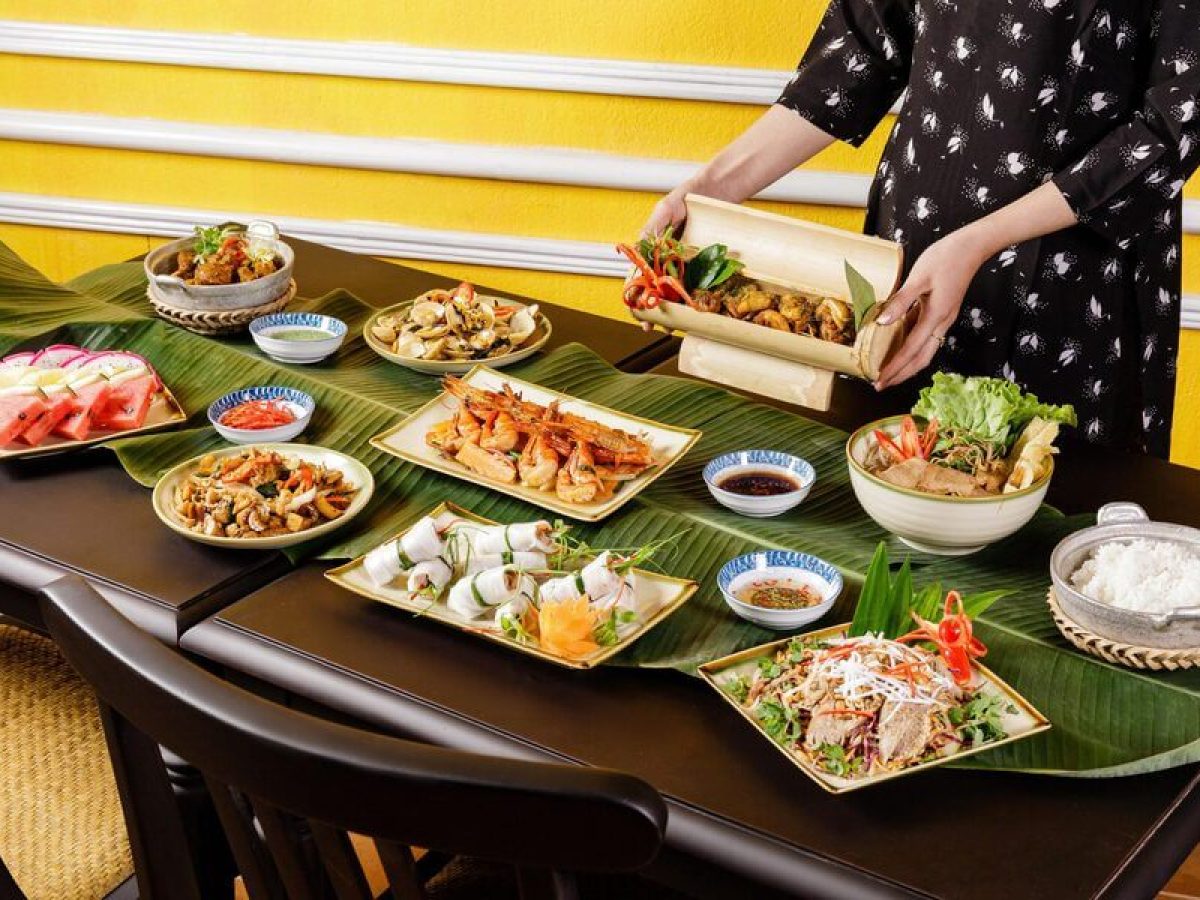
Hoi An is famous for its diverse cuisine, and limiting yourself to only one dish would mean missing out on many wonderful flavors. A better approach is to order small portions and sample several must-try dishes in Hoi An.
For example, travellers might begin with a bowl of Cao Lau, then try White Rose dumplings, followed by a banh mi sandwich. Finishing the meal with a small dessert or local drink can create a well-rounded street food in Hoi An experience.
Exploring multiple dishes also helps visitors understand how different ingredients and cooking styles contribute to the variety of famous food in Hoi An.
Visit in the Evening for More Food Choices
Although street food can be found throughout the day, the evening is often the best time to explore Hoi An streetfood.
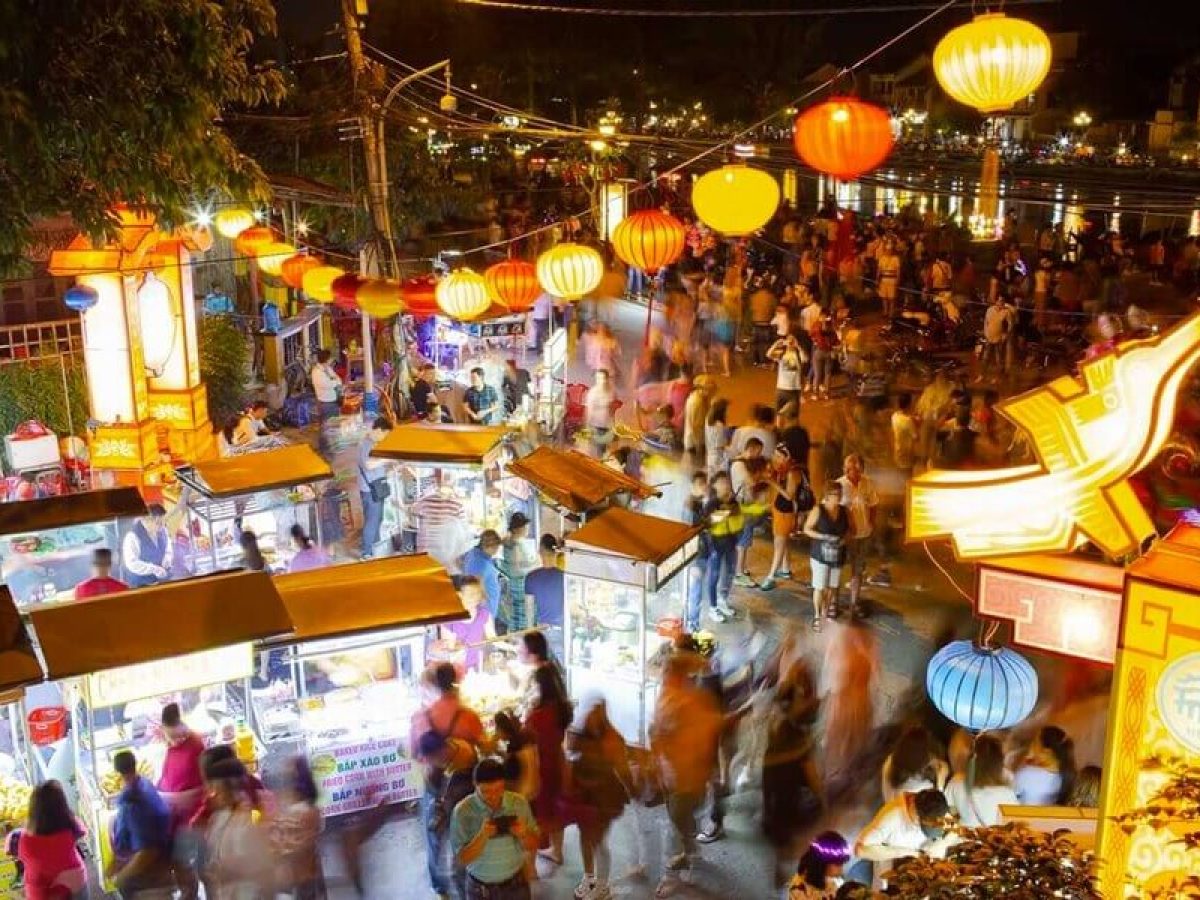
As the sun sets, the ancient town becomes livelier. Lanterns begin to glow along the streets, and food vendors set up stalls offering grilled meat skewers, noodles, dumplings, and desserts.
Nighttime also creates a more vibrant atmosphere. Visitors can enjoy delicious local food in Hoi An while strolling through lantern-lit streets or sitting near the river. The combination of culture, scenery, and cuisine makes evening food exploration especially memorable.
Because of this lively nighttime atmosphere, many travelers consider evening walks through the old town to be the perfect opportunity to discover the best Hoi An’s specialties.
Final Thoughts
Exploring Hoi An streetfood is one of the most rewarding experiences for travelers visiting this historic Vietnamese town. From legendary noodle dishes like Cao Lau and Mi Quang to delicate dumplings and world-famous banh mi sandwiches, the city offers a remarkable variety of flavors.
What makes street food in Hoi An truly special is not only the taste of the dishes but also the cultural story behind them. Each recipe reflects the town’s history as a trading port, the creativity of local cooks, and the traditions that have been preserved through generations.
For visitors, tasting local food in Hoi An provides a deeper understanding of the city’s identity. Sitting at a small street stall, watching food prepared fresh, and sharing a meal among locals creates memories that go far beyond ordinary sightseeing.
Whether you are wandering through the ancient town during the day or enjoying lantern-lit streets at night, the flavors of Hoi An streetfood will always remain an essential part of the journey.
For anyone seeking authentic Vietnamese cuisine, these humble street stalls offer some of the most unforgettable must-try dishes in Hoi An.

Comment (0)